
Reflecting on One Year of the UNESCO Virtual Museum of Stolen Cultural Objects
How Did Bread Survive for More Than 14,000 Years?
Umm Al-Quttain: When Historic Stones Become Part of a Struggle for Survival
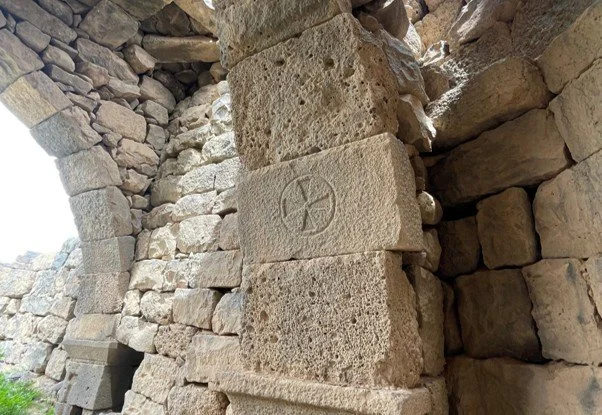
Umm Al-Quttain is a significant archaeological site located in Mafraq Governorate, within the northeastern Badia region of Jordan, roughly 52 km east of Mafraq city. The site preserves architectural remains from the Roman and Byzantine periods, including churches, residential units, and other structures, many enclosed within a circular wall over half a mile long. Settlement here dates back to the Neolithic and Chalcolithic periods, with a Nabataean caravan station established in the early 1st century BCE, followed by a Roman fort and a flourishing Byzantine Christian community.
Buying Back the Past, One Masterpiece at a Time: Inside Italy’s Costly Quest for Cultural Heritage
Could 2026 Be a Turning Point in the Art Restitution Debate?
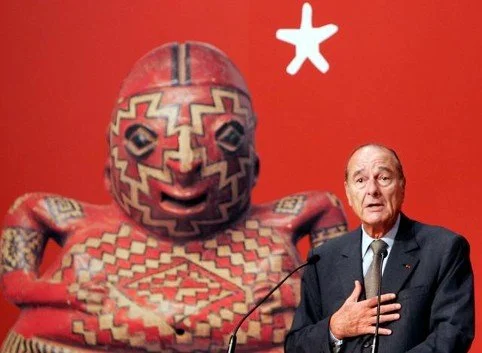
Twenty years ago, when French President Jacques Chirac inaugurated the Musée du Quai Branly, a museum dedicated to the arts and civilizations of Africa, Asia, Oceania, and the Americas, the main concerns were primarily cultural: could these objects be recognised as belonging to the universal art world rather than merely as ethnographic artefacts? Undoubtedly, over the last twenty years, the museum has significantly contributed to reshaping Western perceptions and recognising the artistic value of these collections, despite continuing to attract criticism and controversy. However, two decades later, the terms of the debate have changed profoundly. The artistic status of these objects is no longer contested; instead, attention has shifted to their provenance. How did they enter European collections? Under what circumstances of colonial domination, war, or dispossession were they acquired? And who, today, has the moral and political legitimacy to possess and display them? (Huffpost 2026).
Geospatial Visualization of Museum Institutions, Art Galleries and Private Collections in Bosnia and Herzegovina
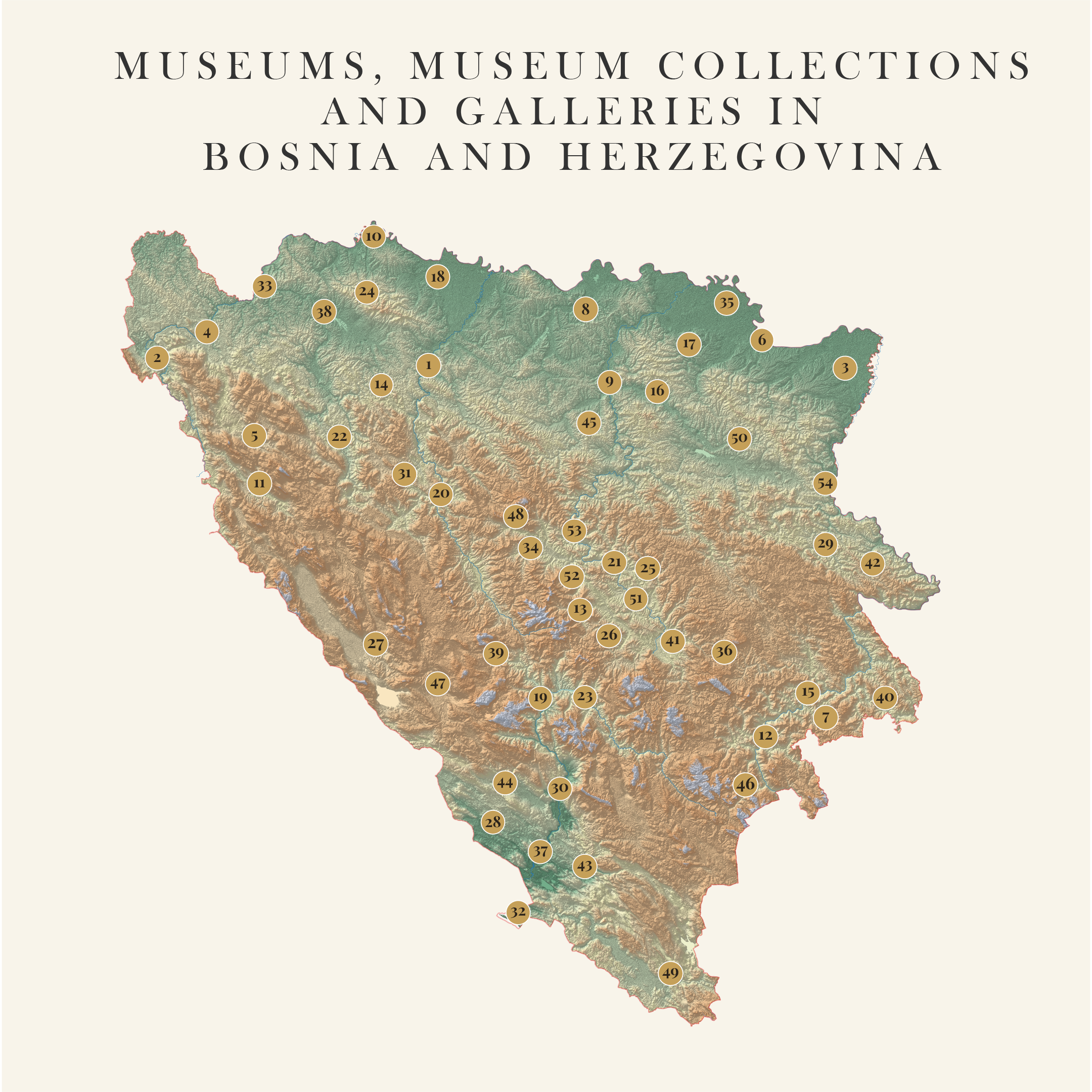
Bosnia and Herzegovina has a wide network of museums, galleries, and art collections that reflect its cultural and historical development. These institutions range from public museums to private and religious collections, forming a dispersed cultural landscape across the country.
In Minor Keys, In Major Chaos: How Global Tensions Overtook the Venice Biennale
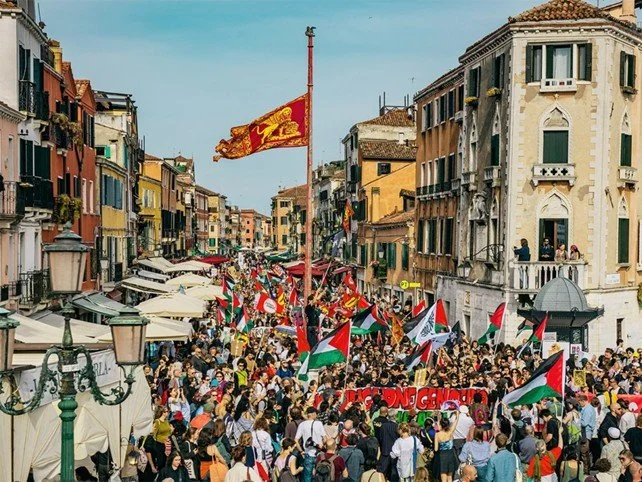
Venice went down in history as La Serenissima, “the most serene”, a title symbolizing the stability, institutional balance, and internal peace secured by its government for centuries. The atmosphere surrounding the city in recent weeks, however, could hardly feel more chaotic and confused.
Most Visited Museums: Europe Leads, Asia Rises
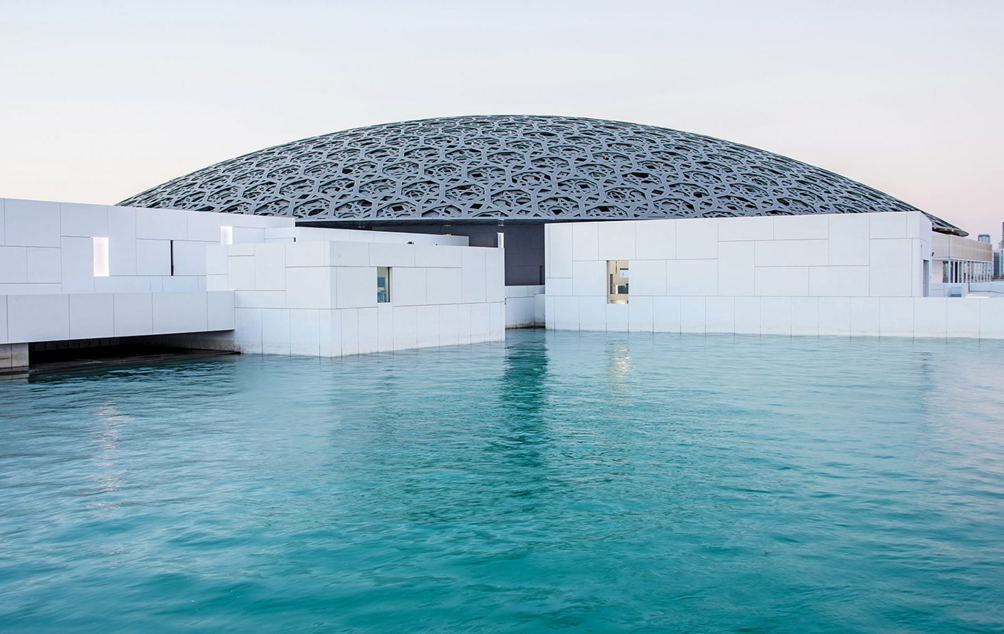
The global museum map is being quietly redrawn. Once again, The Art Newspaper, edited by Lee Cheshire and Elena Goukassian, has released its annual ranking of the world’s 100 most visited museums, offering not just a list of numbers, but a snapshot of deeper cultural shifts. Overall, 2025 marks a milestone: the museum sector has largely completed its post-pandemic recovery. More than 200 million visits were recorded across the top 100 institutions - still below the 230 million peak of 2019, but a remarkable leap from the collapse to just 54 million in 2020. Look closer, however, and a more complex picture emerges. The rankings reveal a world still anchored in its traditional cultural powerhouses, especially across Europe, yet increasingly shaped by new centers of gravity. Asia, in particular, is no longer just catching up; it has become an indisputable protagonist in the global cultural landscape.
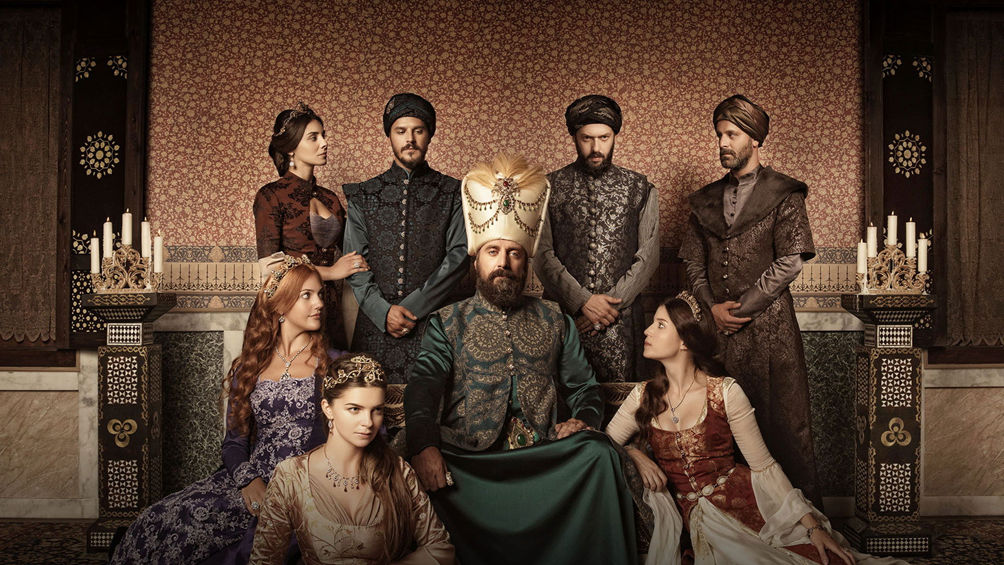
Between Empire and Modernity: Turkish Dizi as Instruments of Soft Power
Walking today through the streets of Istanbul, it is easy to come across a film crew, a costumed actor, or an improvised set just around the corner. This goes far beyond mere urban folklore or entertainment; it is a tangible sign of a broader transformation that has turned the city into one of the beating hearts of a new global cultural industry. Cinema and television have long been powerful tools for presenting a country to the world, as demonstrated by Hollywood, Bollywood, and more recently South Korea. Today, however, Türkiye has also carved out a leading role. Its television series, also known as dizi, have attracted millions of viewers far beyond national borders, reaching most of the world.
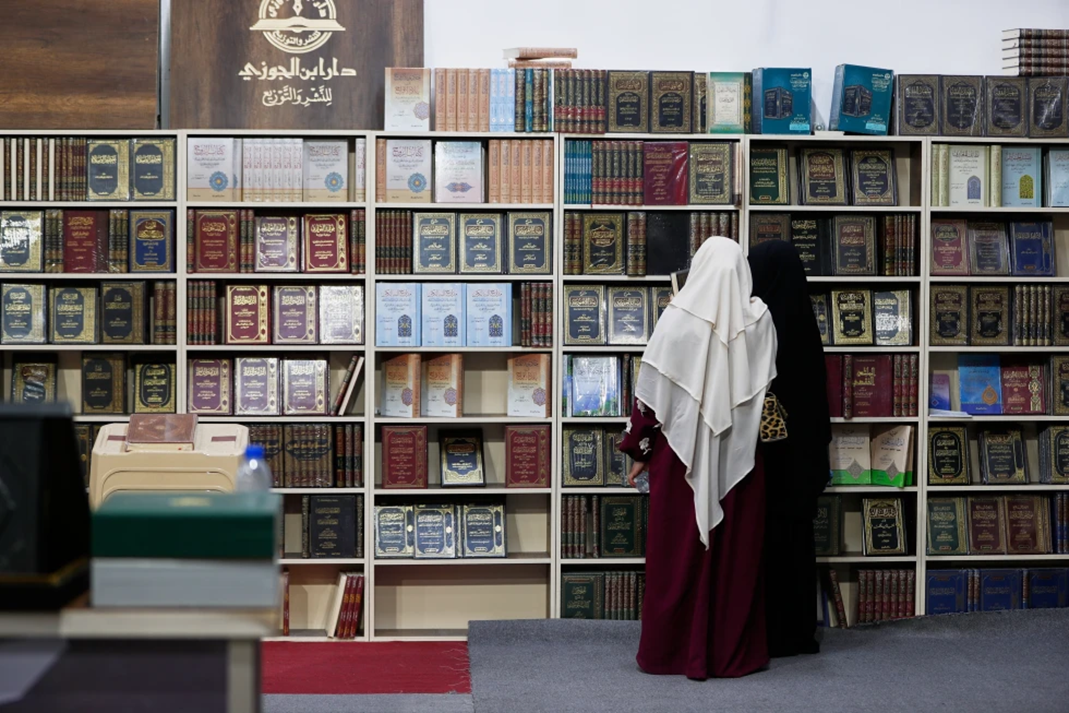
As Ethnic and Religious Tensions Persist, the New Syria is Seeking Rebirth through Culture
On 1 January 2026, the General Directorate of Antiquities and Museums outlined Syria’s new national strategy for the protection and management of cultural heritage. Spanning the period from 2025 to 2035, the strategy presents heritage as both a national and a deeply human asset, something to be safeguarded not only for its historical value, but also for its potential role in social recovery and sustainable development.[1] This marks an important shift, since for more than a decade speaking about culture in Syria has largely meant speaking about loss: destroyed libraries, looted artworks, artists forced into exile, and cultural institutions silenced by war and political repression.
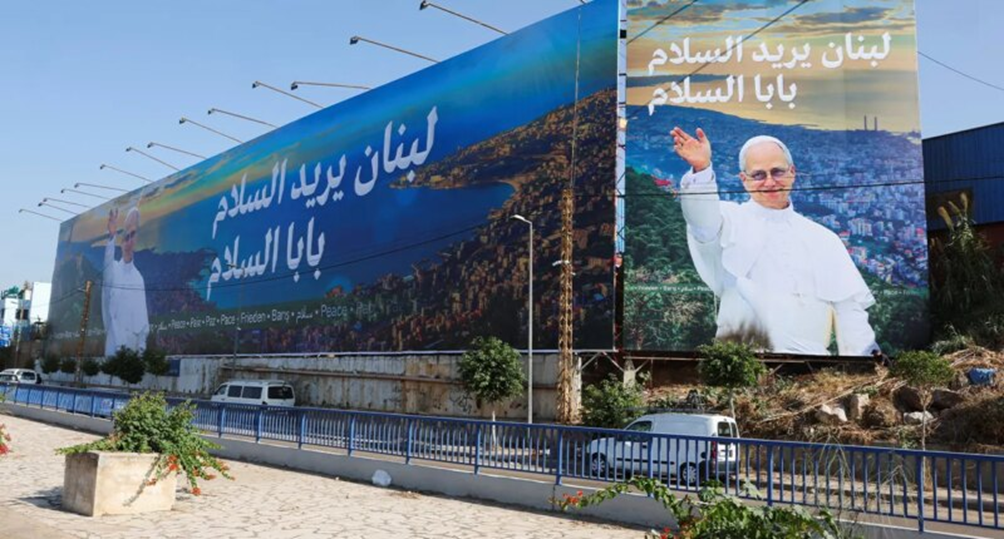
The Pope in the Eastern Mediterranean: A Journey between Faith, Culture, and Diplomacy
The Eastern Mediterranean provided the setting for Pope Leo XIV’s first steps on the global stage. By traveling to Türkiye and Lebanon, lands marked by ancient Christian memory and complex religious histories, and marked today by geopolitical strain, the head of the Catholic Church articulated a vision of dialogue amid fragmentation and uncertainty.
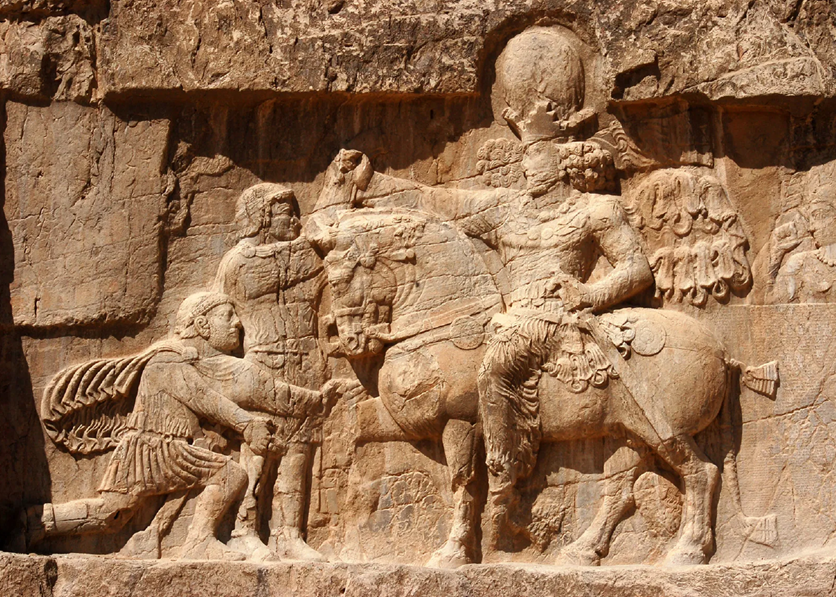
In Times of Uncertainty, Iran Looks Back: Rediscovering Ancient Persia to Navigate Modern Crises
On the evening of November 7, 2025, a crowd gathered in central Tehran to witness the unveiling of a new statue: Shapur I, depicted in the act of defeating the Roman Emperor Valerian. The scene was visually striking, but its significance ran deeper. Iran has long maintained an uneasy relationship with its pre-Islamic past, oscillating between pride and ideological caution. Yet recently, and especially after the so-called “Twelve Day War” with Israel, ancient Persia has returned to the forefront of public discourse with renewed prominence.

The Olive Tree: Myth, Heritage, and a Living Symbol
Every year on 26 November, UNESCO marks World Olive Tree Day, a relatively new observance (proclaimed in 2019) that reflects a very old reality: the olive tree has been woven into human history for millennia (UNESCO, 2019). As food, fuel, medicine, and timber, Olea europaea has shaped Mediterranean economies and landscapes; as symbol and metaphor, it has carried meanings of wisdom, peace, and endurance from antiquity to the present.
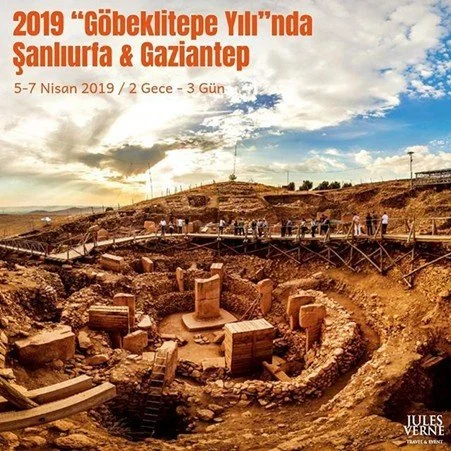
Archaeotourism: Navigating Heritage and Tourism in a Global Context
Archaeotourism is the intersection of archaeological heritage and tourism, and it has emerged as a major force in cultural economies worldwide. While it stimulates development, employment, and cross-cultural exchange, it also places unprecedented strain on fragile heritage sites and local communities. Every year on 27 September, World Tourism Day reminds us that travel is more than movement, it is an exchange of ideas, cultures, and identities. Archaeotourism captures where tangible remnants of the past intersect with modern aspirations.
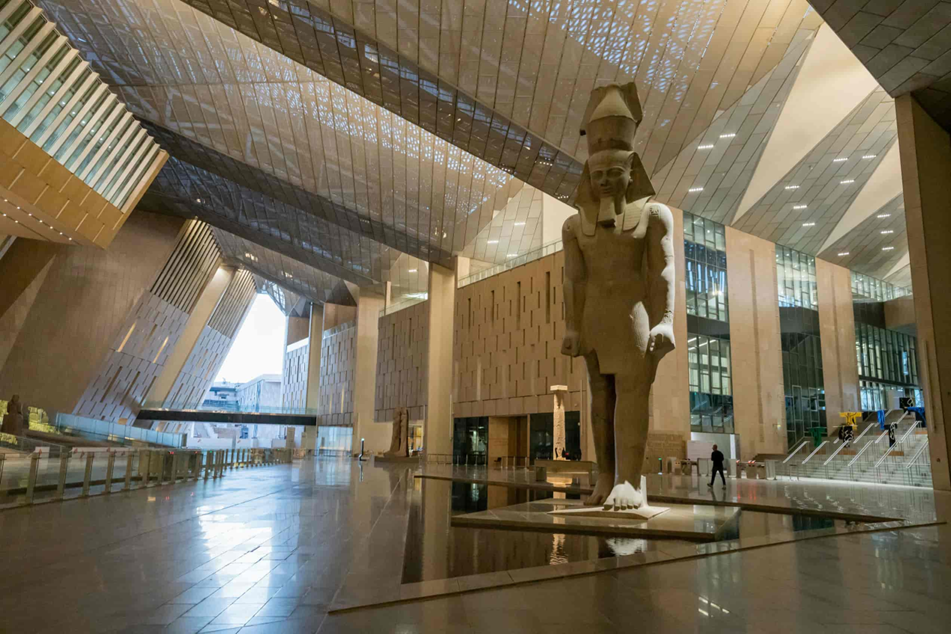
Where Pharaohs Meet the Future: The Grand Egyptian Museum is Finally Here
These are important months for Egyptian culture. On November 1, 2025, the Grand Egyptian Museum (GEM) in Cairo will host its Grand Opening, attended by international leaders and distinguished guests, before opening to the public on November 4.
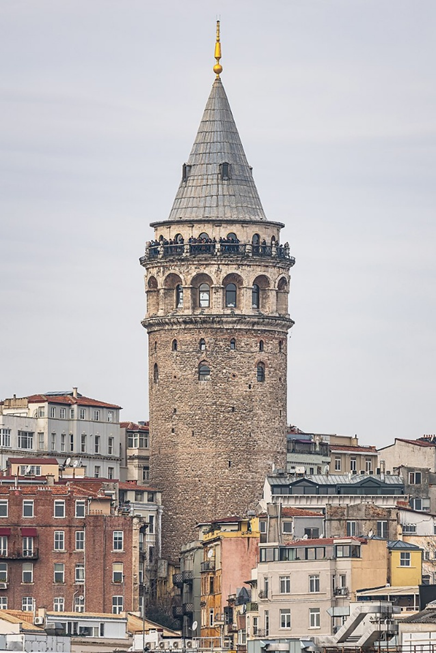
Cosmopolitan Mosaics: Italian Heritage in the Heart of Istanbul
Walking along Istiklal Caddesi, the great pedestrian artery of Beyoğlu, you might be surprised to come upon a neo-Gothic church that seems more at home in Venice or Milan than in the heart of Istanbul. It is Saint Anthony of Padua, the city’s largest Catholic church, built in 1912 by Italians. This is not an isolated anomaly: Istanbul in fact preserves a little-known yet significant cultural heritage tied to the Italian presence. From the Dominican churches of Galata to the Genoese palaces, from Levantine schools to the painters who depicted the Bosphorus, the traces of this long history are still present and speak to the role Italians played in shaping the city’s cosmopolitan character.
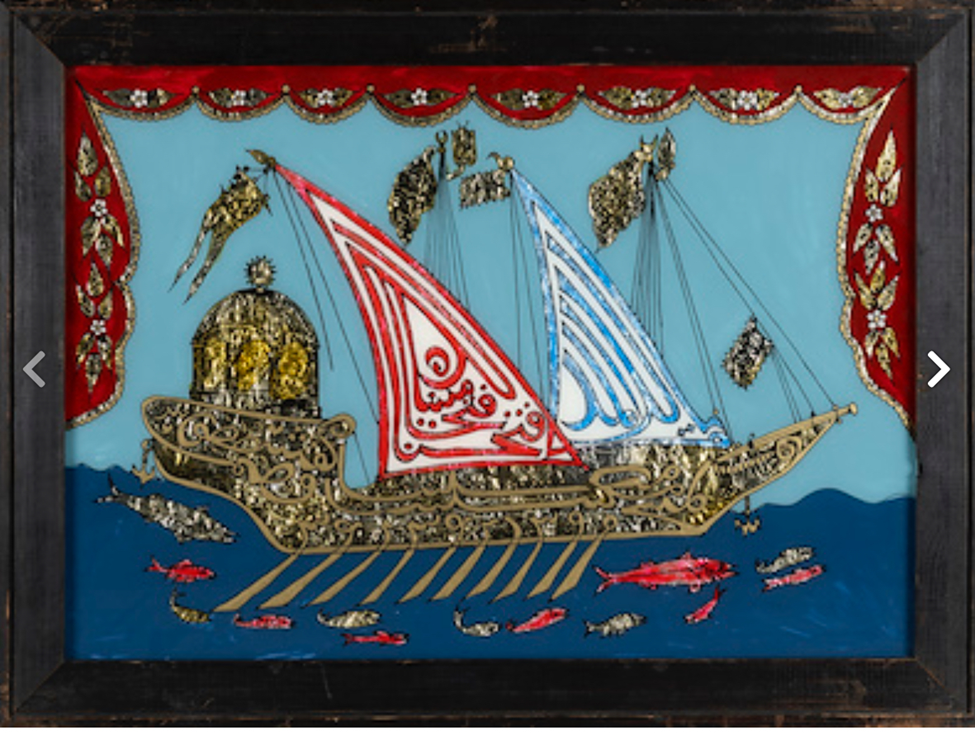
The Amentü Ship: From Creed to Calligram to Cinema
Step into the İstanbul Cinema Museum (Atlas Sineması) on İstiklal Caddesi and you’ll find a luminous section devoted to Tonguç Yaşar and Sezer Tansuğ’s short animation Amentü Gemisi Nasıl Yürüdü? (1969). The display includes materials tied to the film’s making, often described by the museum and press as original drawings/illustrations from the production, presented alongside broader Yeşilçam-era artifacts. The museum positions the piece as both a milestone of Turkish animation and a bridge between devotional calligraphy and moving image.

Beyond Oil and Trade: The Saudi-Chinese Cultural Year 2025
Thirty-five years after establishing diplomatic ties, Saudi Arabia and China are opening a new chapter with the Saudi-Chinese Cultural Year 2025. Announced in March by the Saudi Ministry of Culture, the year-long program highlights culture as a bridge between two civilizations with ancient roots and global ambition. This approach reflects the soft-power policies that both nations have embraced, using culture, art, and education to reinforce political and economic ties as a part of larger strategies: for Saudi Arabia, this aligns with Vision 2030; for China, it resonates with the Belt and Road Initiative.
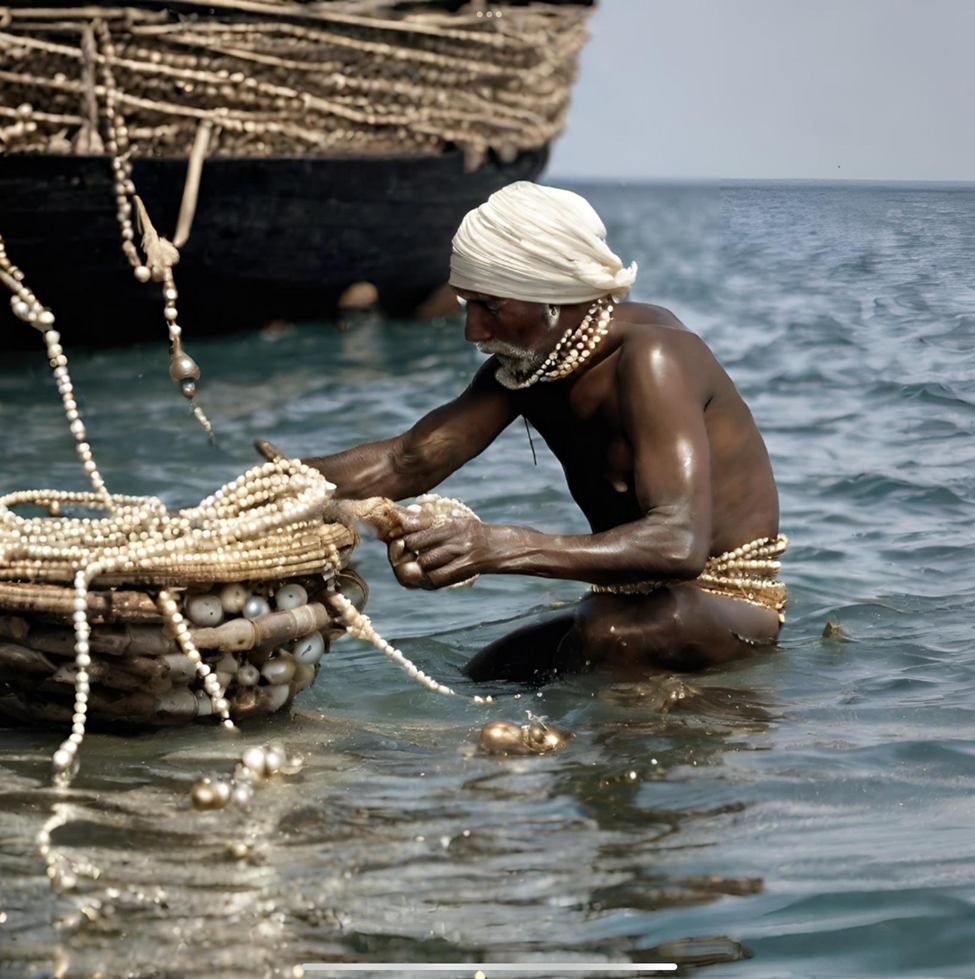
Echoes of the Deep: Tracing the UAE’s Pearl Diving Heritage Across Emirates
Step into the heart of Dubai Mall. If you pause for a moment among the designer shopfronts and neon cafés, you’ll notice something that feels slightly out of place in a world of glass and steel. Suspended under soft light is a sculpture that shimmers like a school of fish caught mid-dance. Its pearl-like curves and flowing forms recall the rhythm of waves, a subtle reminder of a time before oil and skyscrapers, when the Emirates lived by the rise and fall of the sea.