Research
This page showcases our research publications: case studies, long-form articles, and policy pieces that highlight cultural heritage, history, technology, and political relations. In-depth research in an agile format offers a space to share findings, test ideas, and contribute to conversations in the field, bridging the gap between quick commentary and formal academic publishing.
Check out our most recent publications below, and explore our researchers' profiles to discover their work.
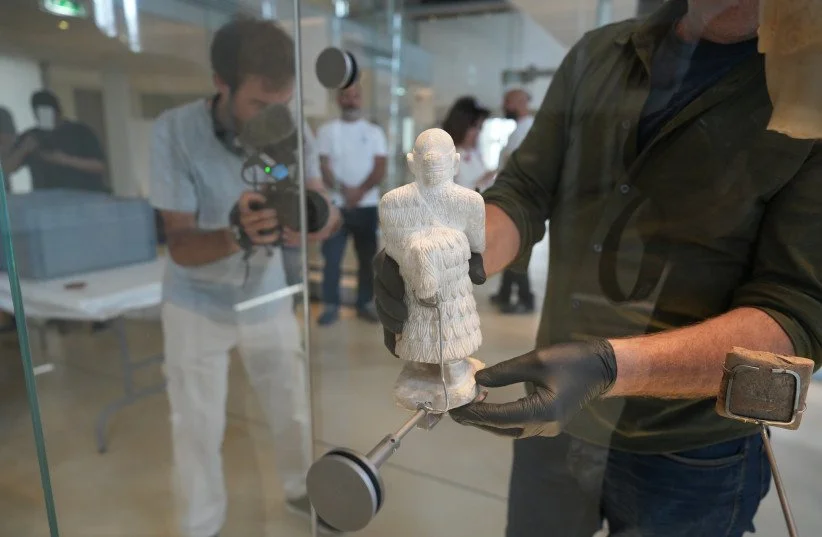
Syria's Cultural Heritage is Recovering, but Some Scars May Never Heal
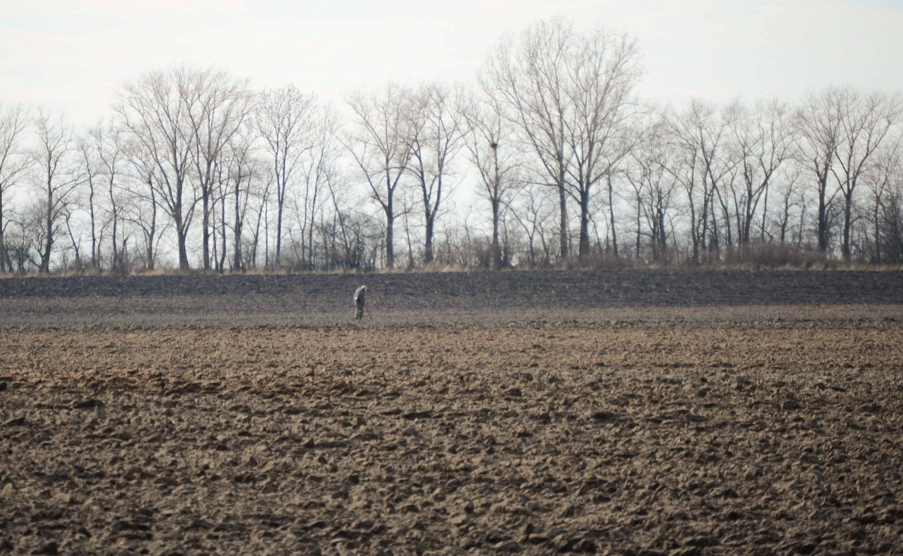
The Portal of Amateur Collaborators: A New Cooperative Model for Amateur Metal Detecting
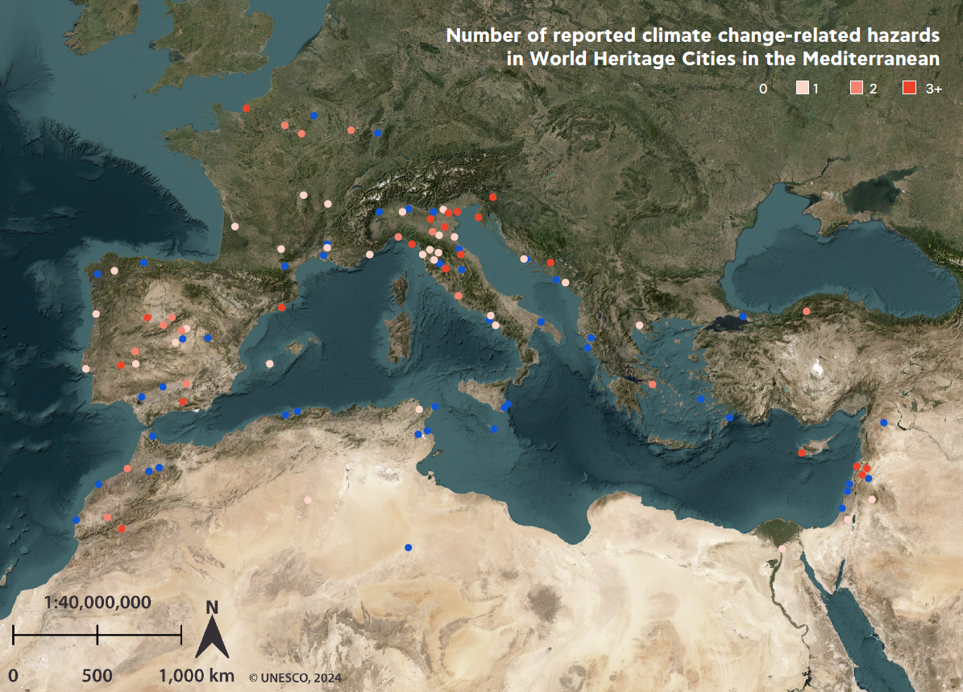
Fragile Legacy, Living Knowledge: The Mediterranean's Cultural Heritage in the Age of Climate Change
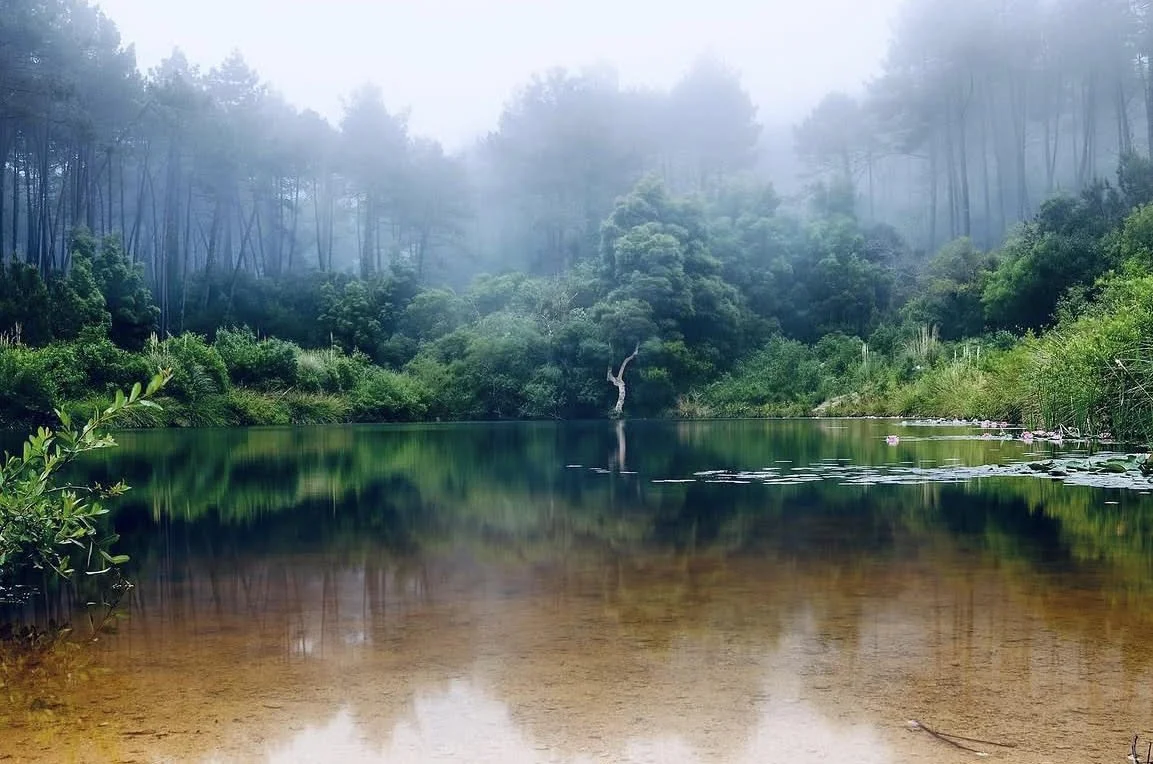
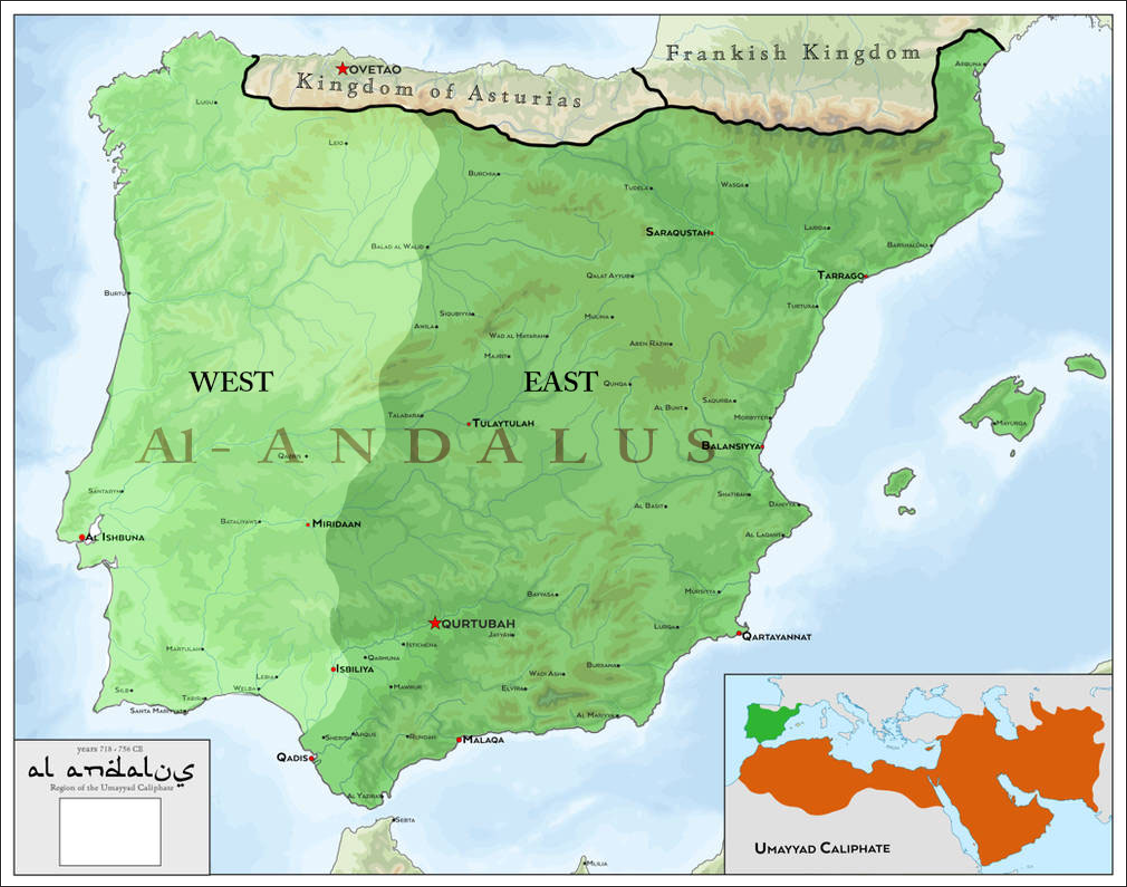
Sintra: A Watchtower on the Edge of al-Andalus
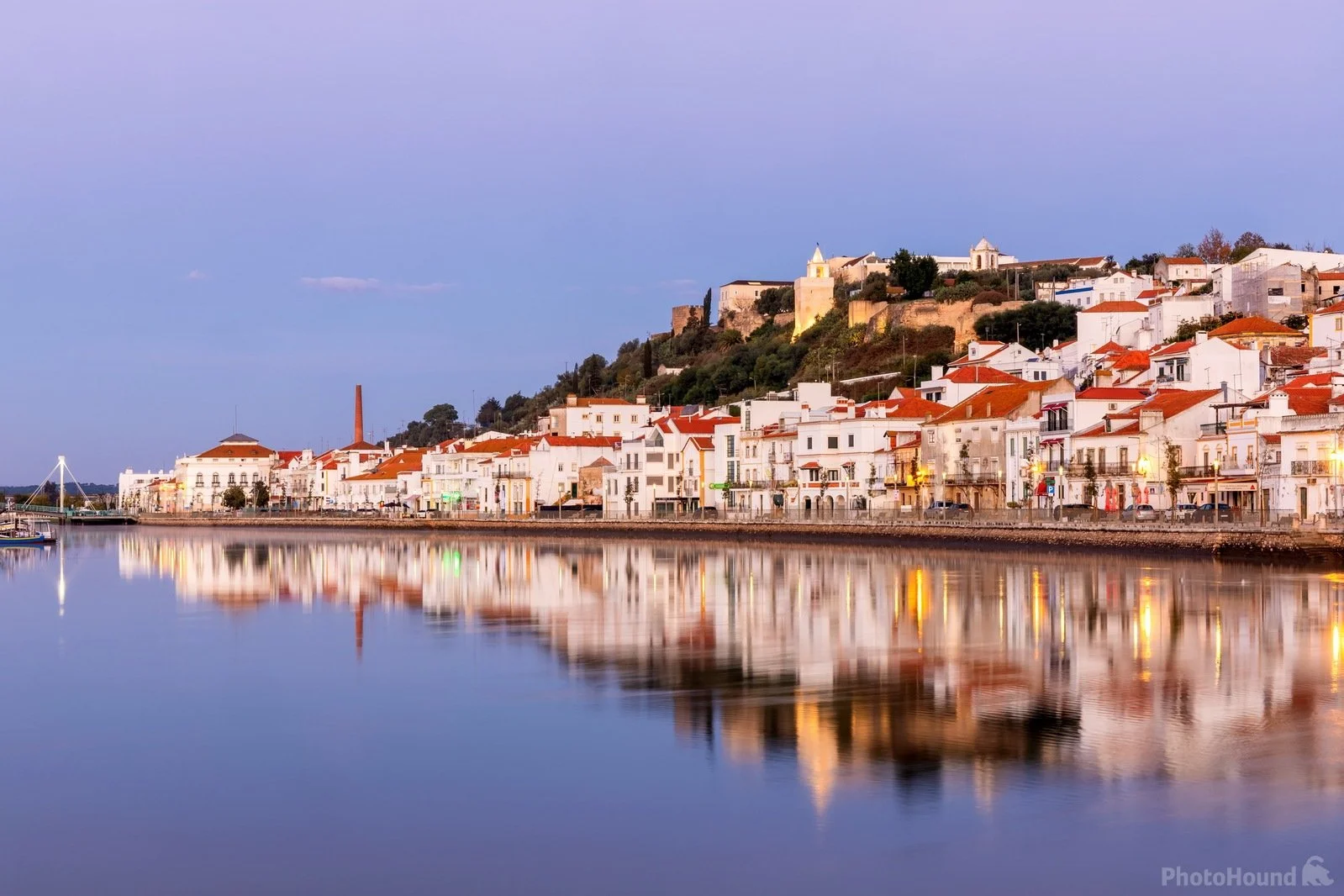
Between Salt and Shores: The Andalusian heritage of Alcácer do Sal
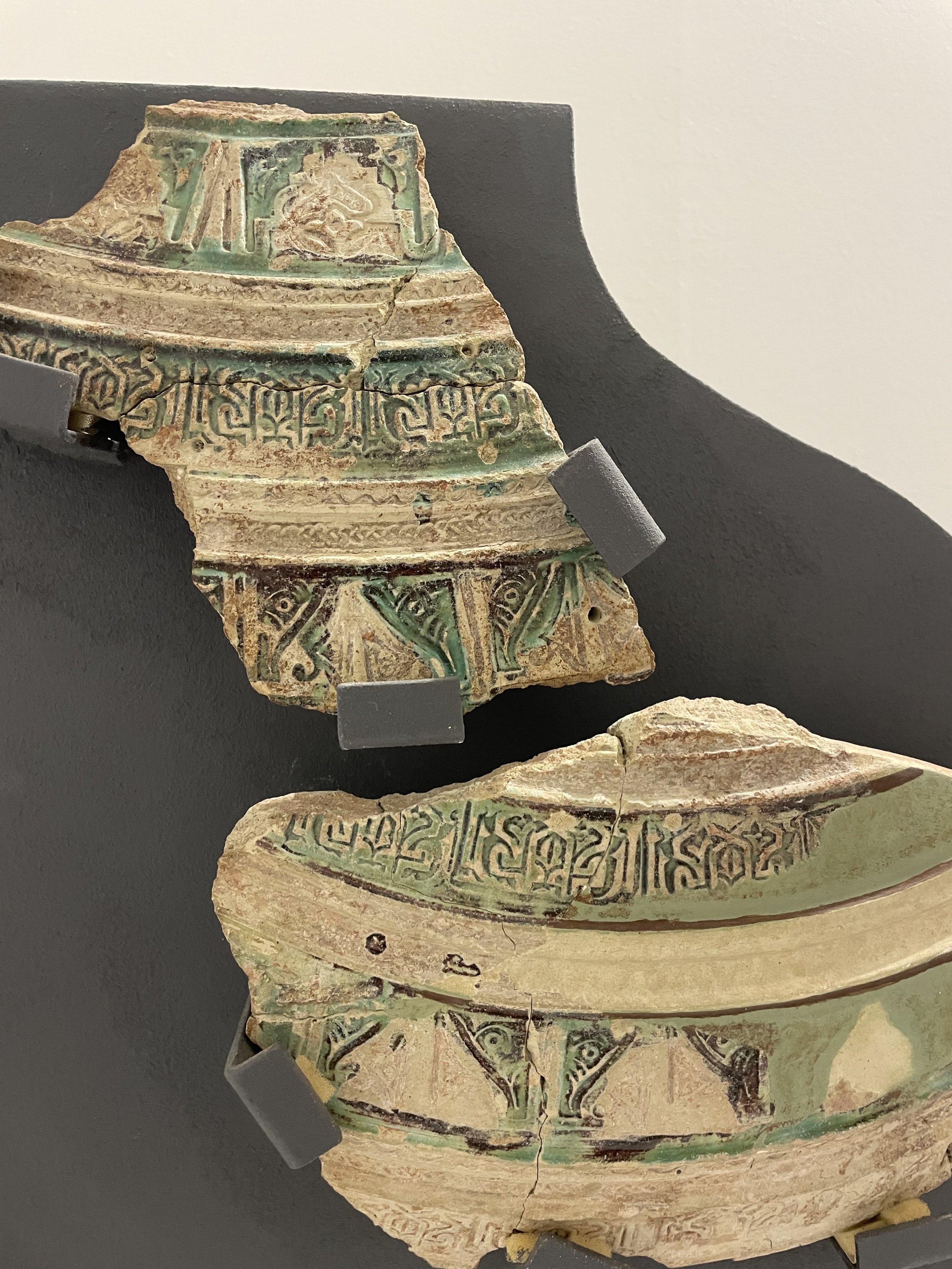
The City of Many Names and a Shared Soul: Reading the Islamic Heritage of Faro
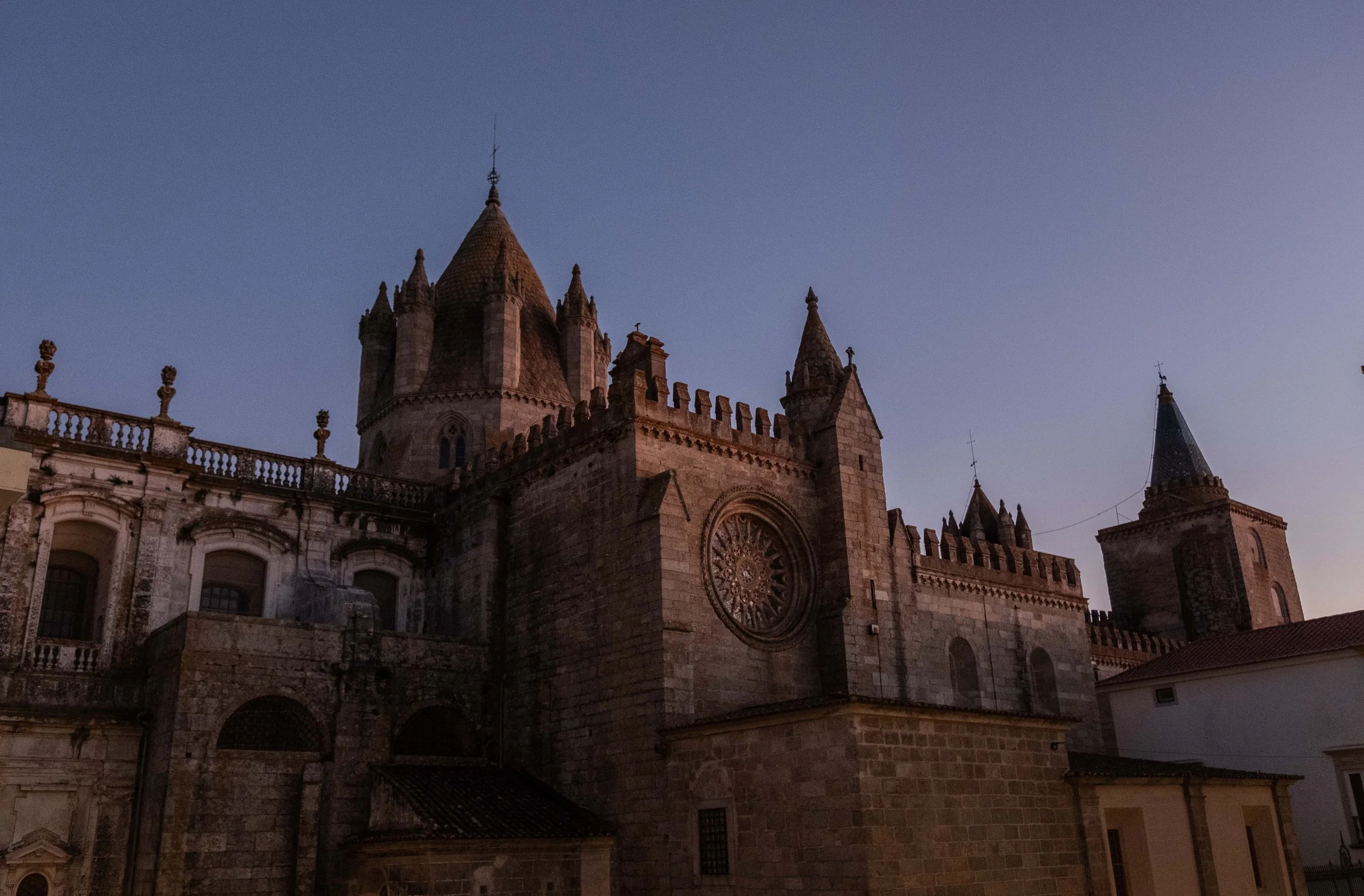
The Breadbasket of the West: Wealth and Warfare in Islamic Évora
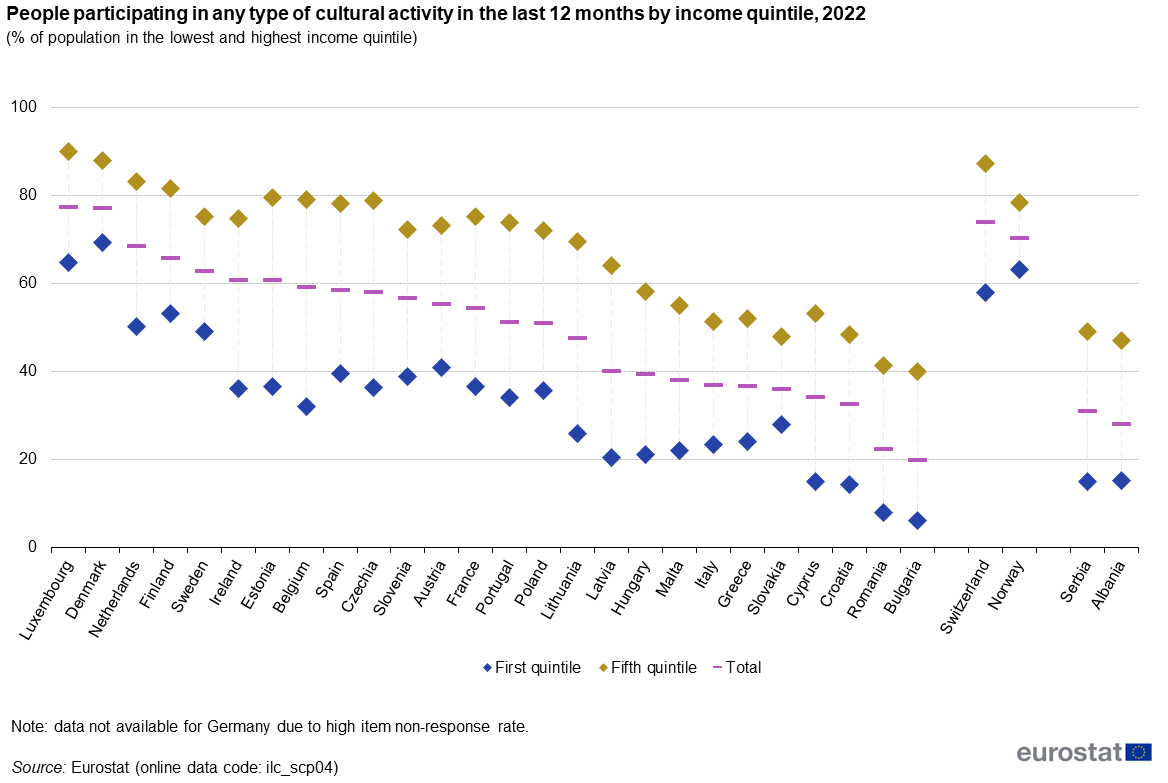
When Culture Is Not for Everyone: Cultural Capital, Inequality, and Social Hierarchy
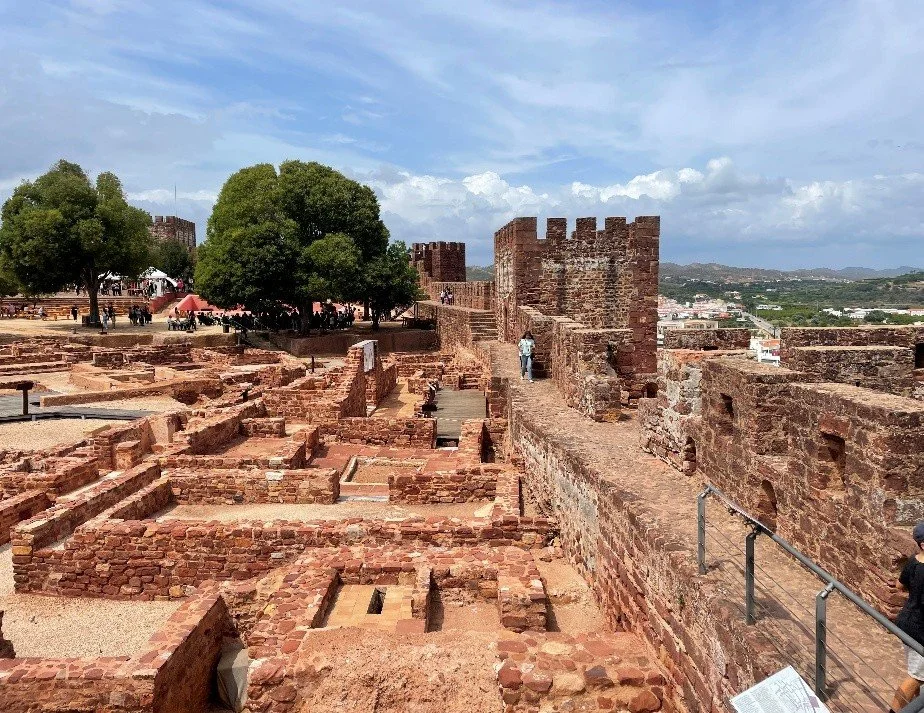
The Red Earth Echoes in Silves: Tracing the Footsteps of “Xelb”
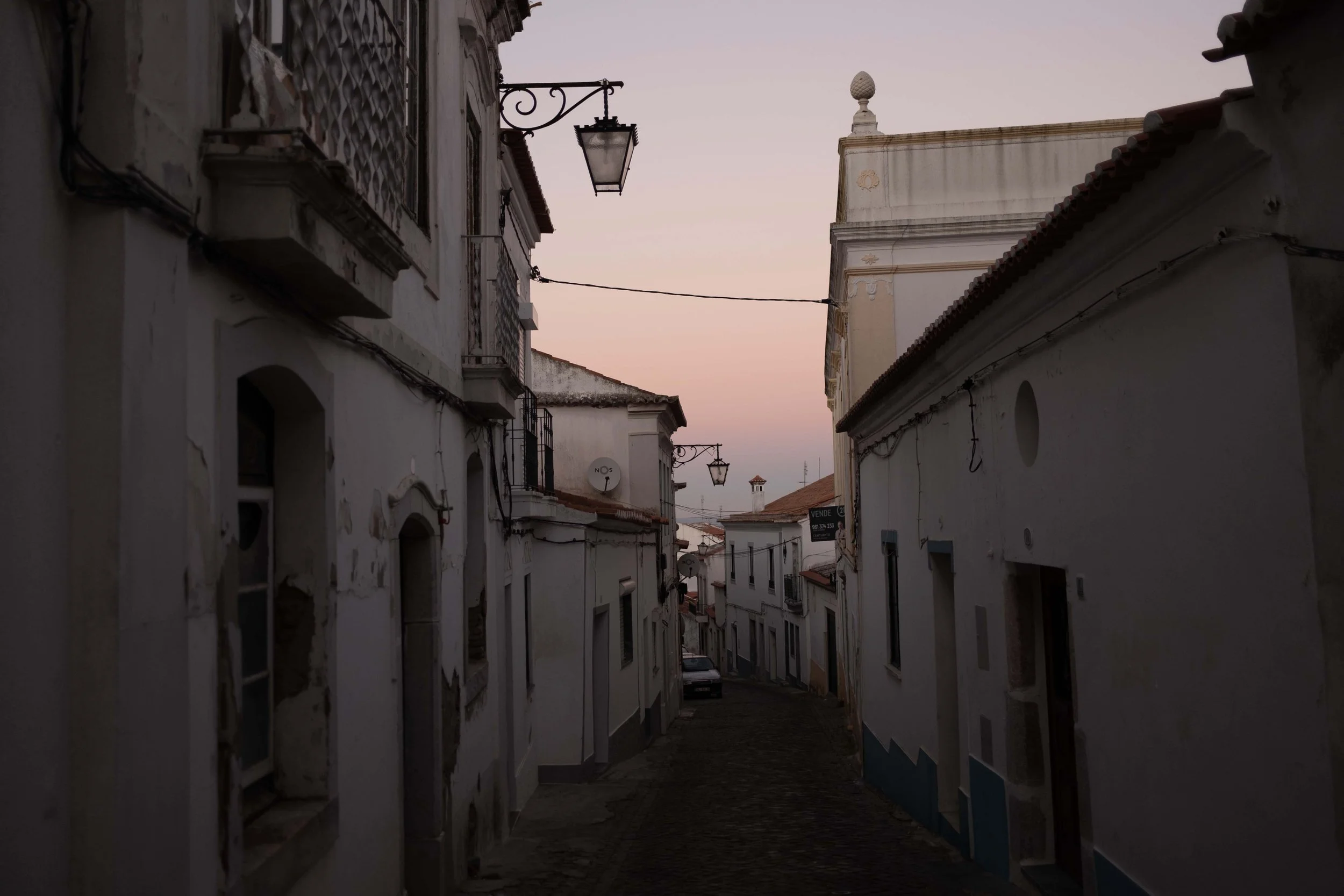
The Andalusian Beja: Where Egyptians, Amazigh, and Rebels Lived
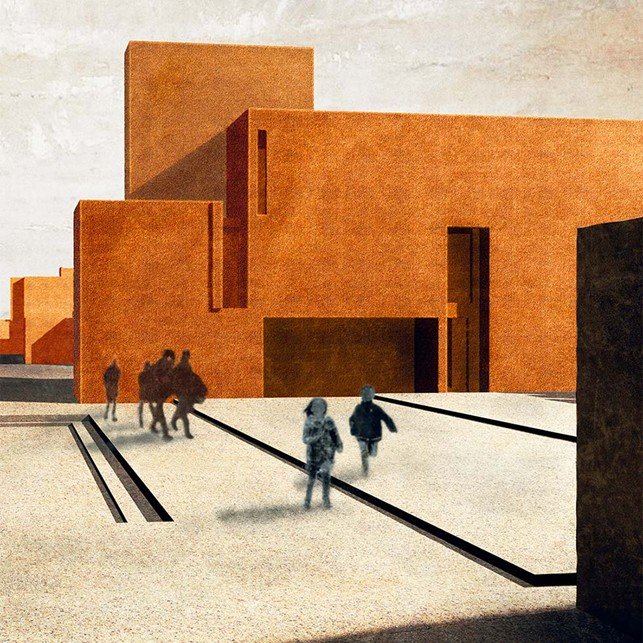
On the Post-Conflict Urban Reconstruction in the Middle East: Interview with the Urbicide Task Force
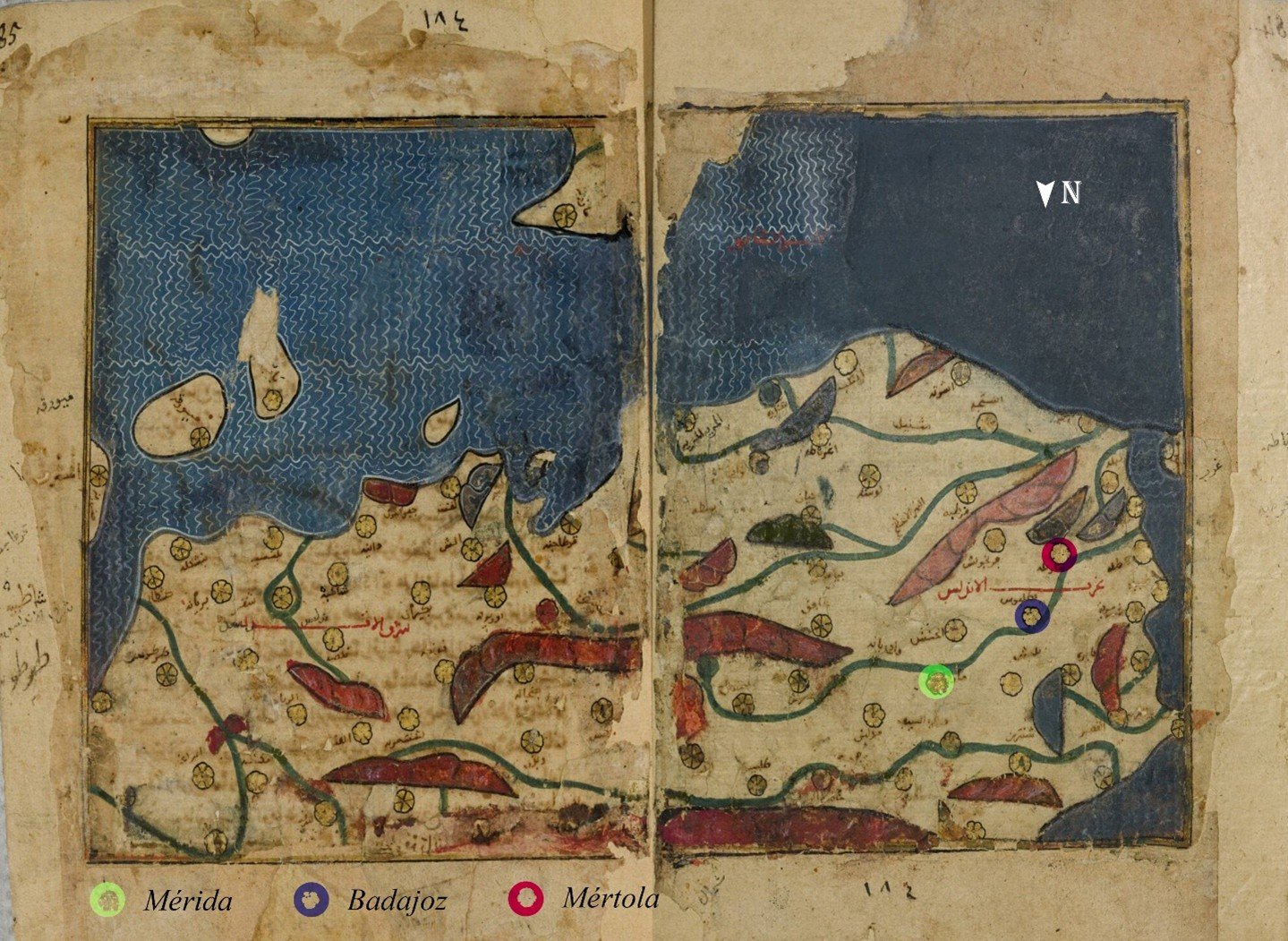
The Conflict of Narratives: Al-Andalus Between the East and West
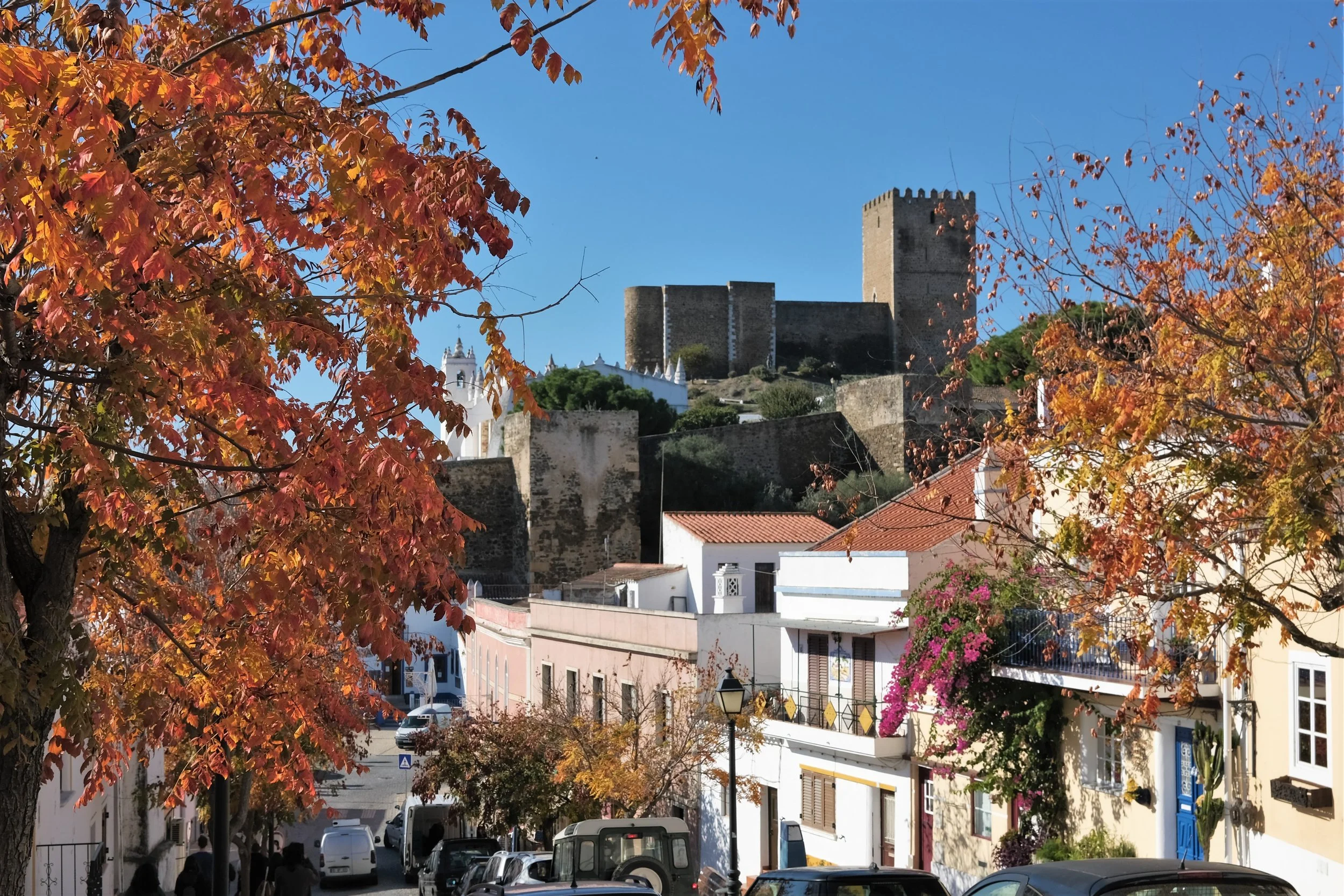
The Fortified City of Mértola: A Reading in the Architectural Traces of Gharb al-Andalus
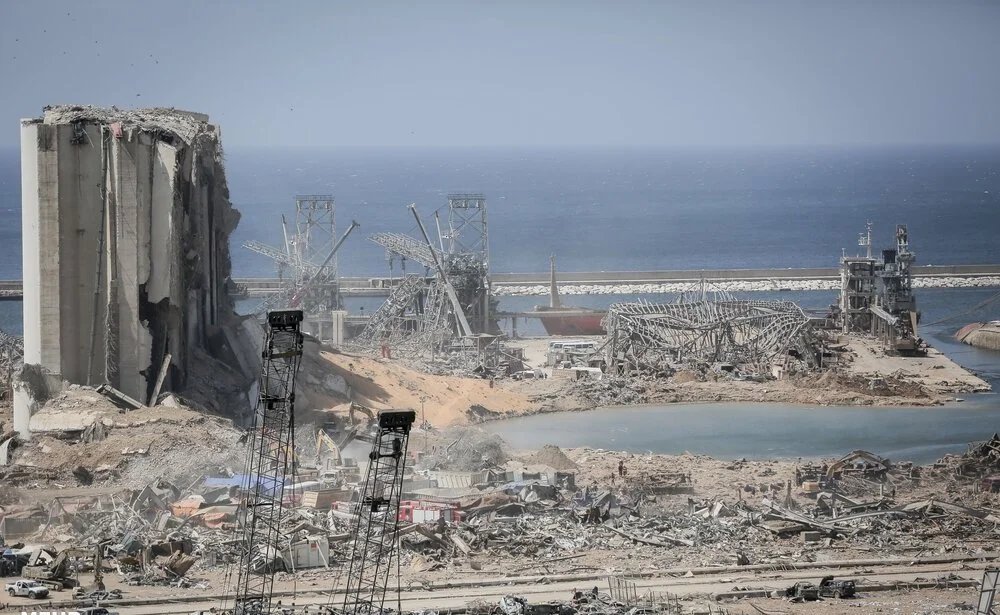
Rebuilding Beirut’s Cultural Heritage: The Potentials and Pitfalls of International Support
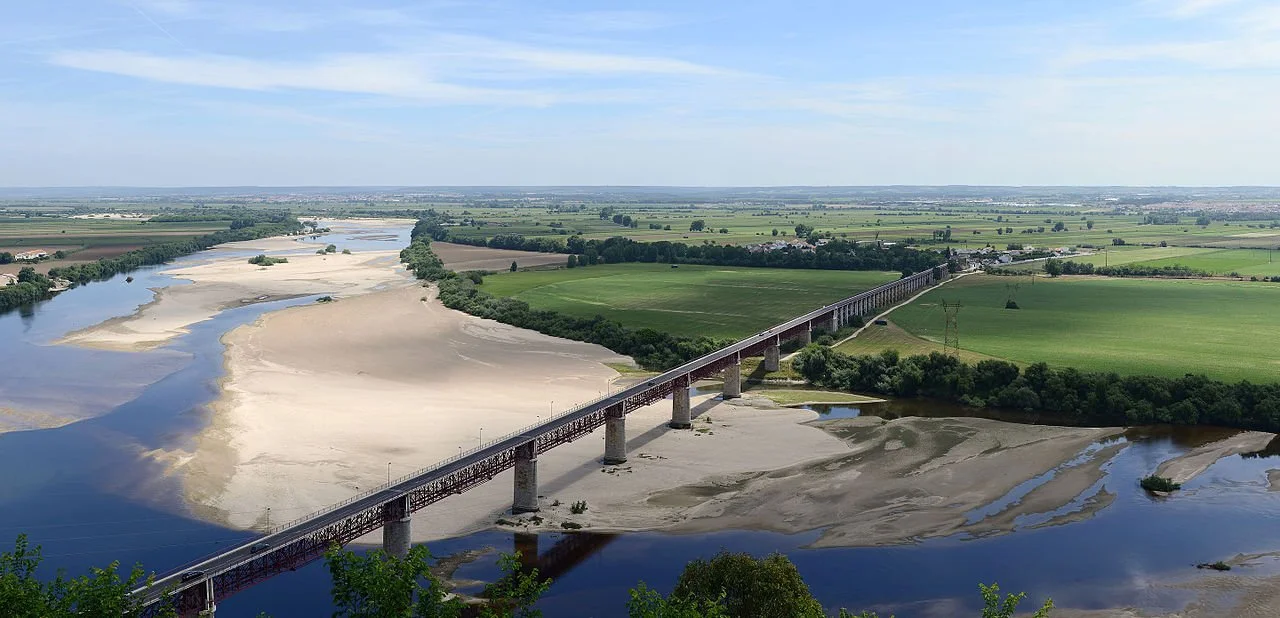
Santarém: A City on the Banks of History and Literature
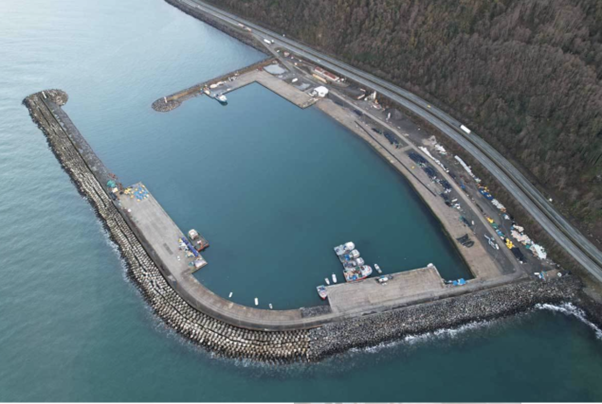
Maritime Cultural Engagement and Coastal Communities in Türkiye’s Eastern Black Sea
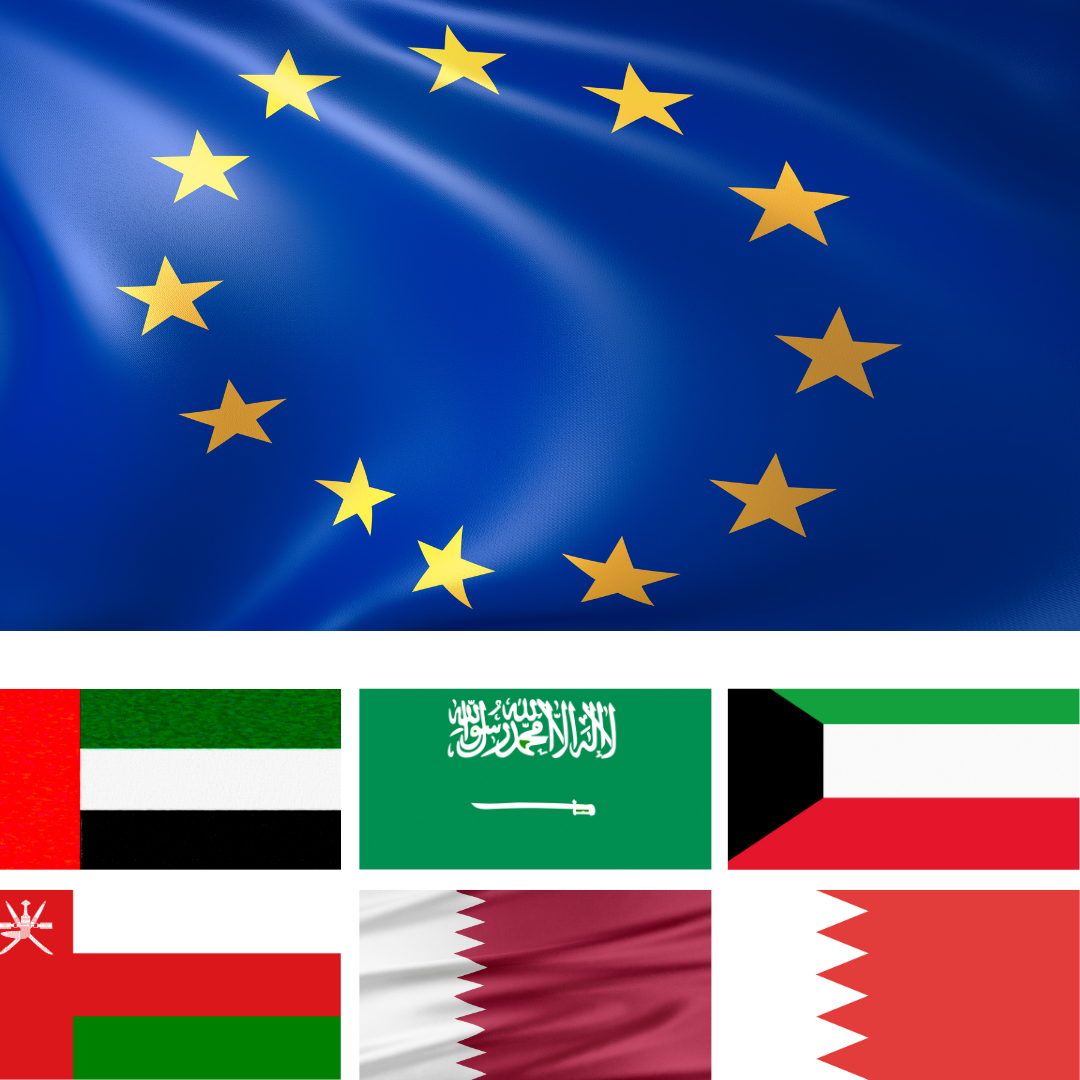
The Increasing Role of Cultural Diplomacy in EU-Gulf Relations
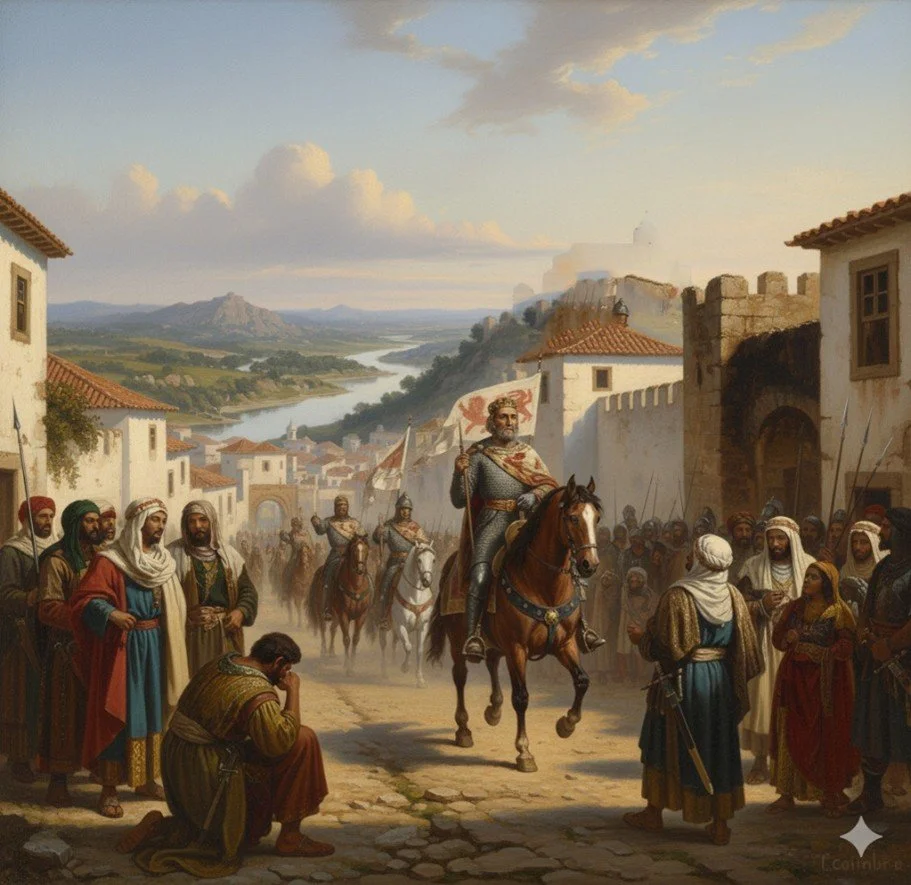
Once Said in Coimbra: "My hand will perish one day, but greatness will remain!"