
The NABU Project
Over the past decades, the trade in illicit cultural objects has shifted from clandestine markets to the familiar platforms used by millions of people each day. Social media, online marketplaces, and community forums host a constant flow of posts advertising artifacts for sale, often with illicit origins. Many so-called 'source' countries, where these objects originate, tend to lack the investigative resources to tackle their illicit sale.
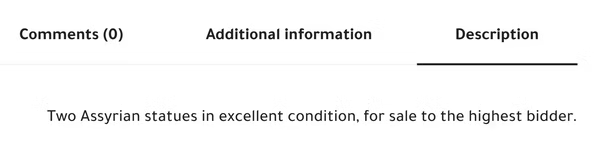
Fig. 1. Composite video showing images of allegedly Assyrian statues, listed “for sale to the highest bidder.”
The Problem
Although some law enforcement agencies have sophisticated systems for tracking stolen cultural property, most do not have the capacity to monitor the sheer volume of online activity. As a result, researchers and police often face an incomplete picture: isolated posts, fragmented data, and little information about the trends that characterise the trade.
The Solution
NABU Project is using automated web scrapers to collect data from niche online marketplaces and Arabic-language platforms. These data are mined, analysed, and shared directly with institutions, researchers, and law enforcement partners in under-resourced countries. With an initial focus of Iraq, the project provides evidence-based reports to support research into the illicit sale of cultural goods.

Research
Objectives
Objective #1
Identify > 100 unique sellers involved in the online sale of Iraqi artifacts.
Objective #2
Generate risk scoring for listings and seller accounts using a reproducible methodology.
Objective #3
Produce actionable intelligence for Iraqi partners, compiled in quarterly reports.
Project Methodology
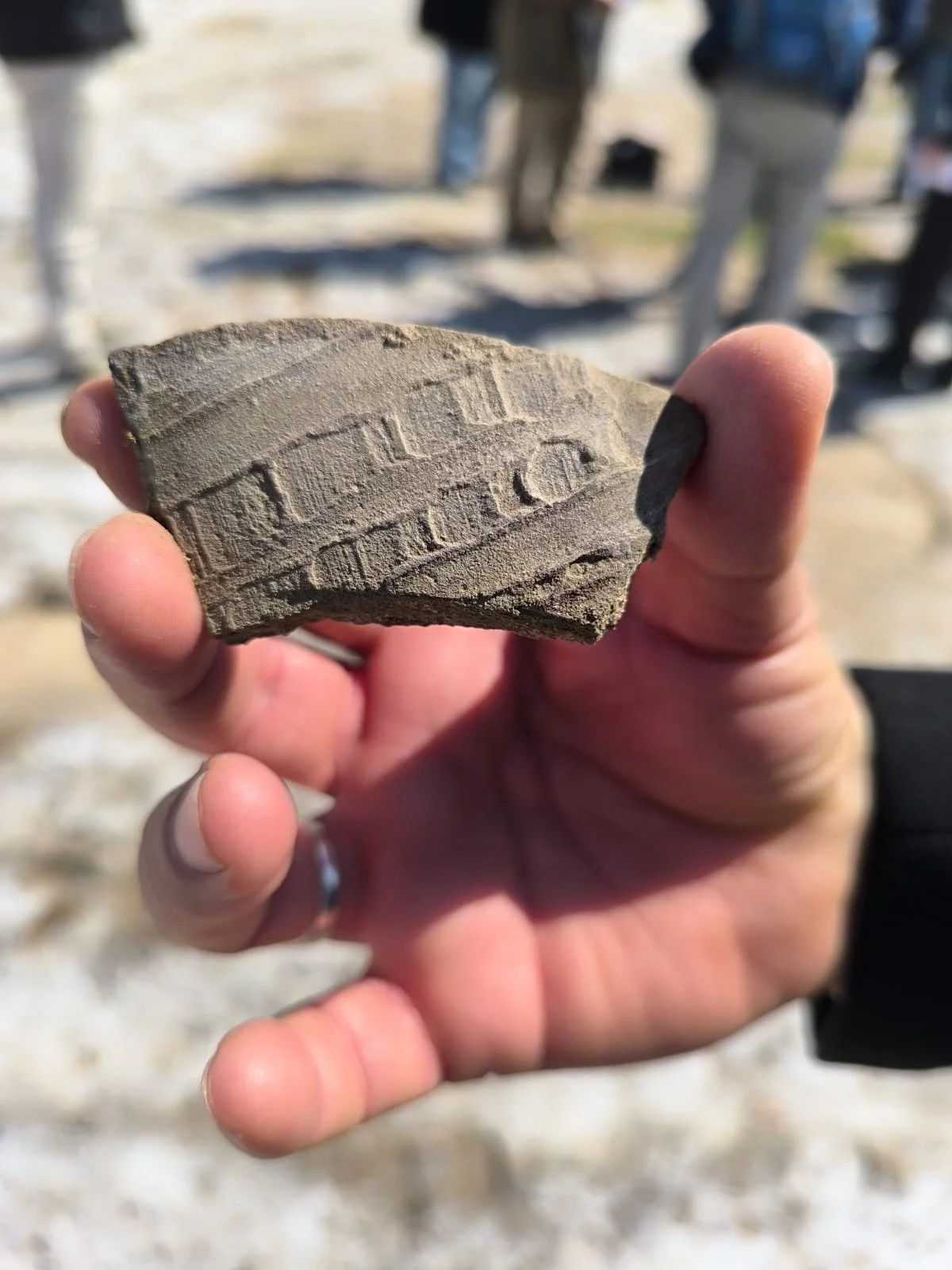
Data Collection
Data are collected using automated, Python-based web scrapers from publicly available sources like online marketplaces.
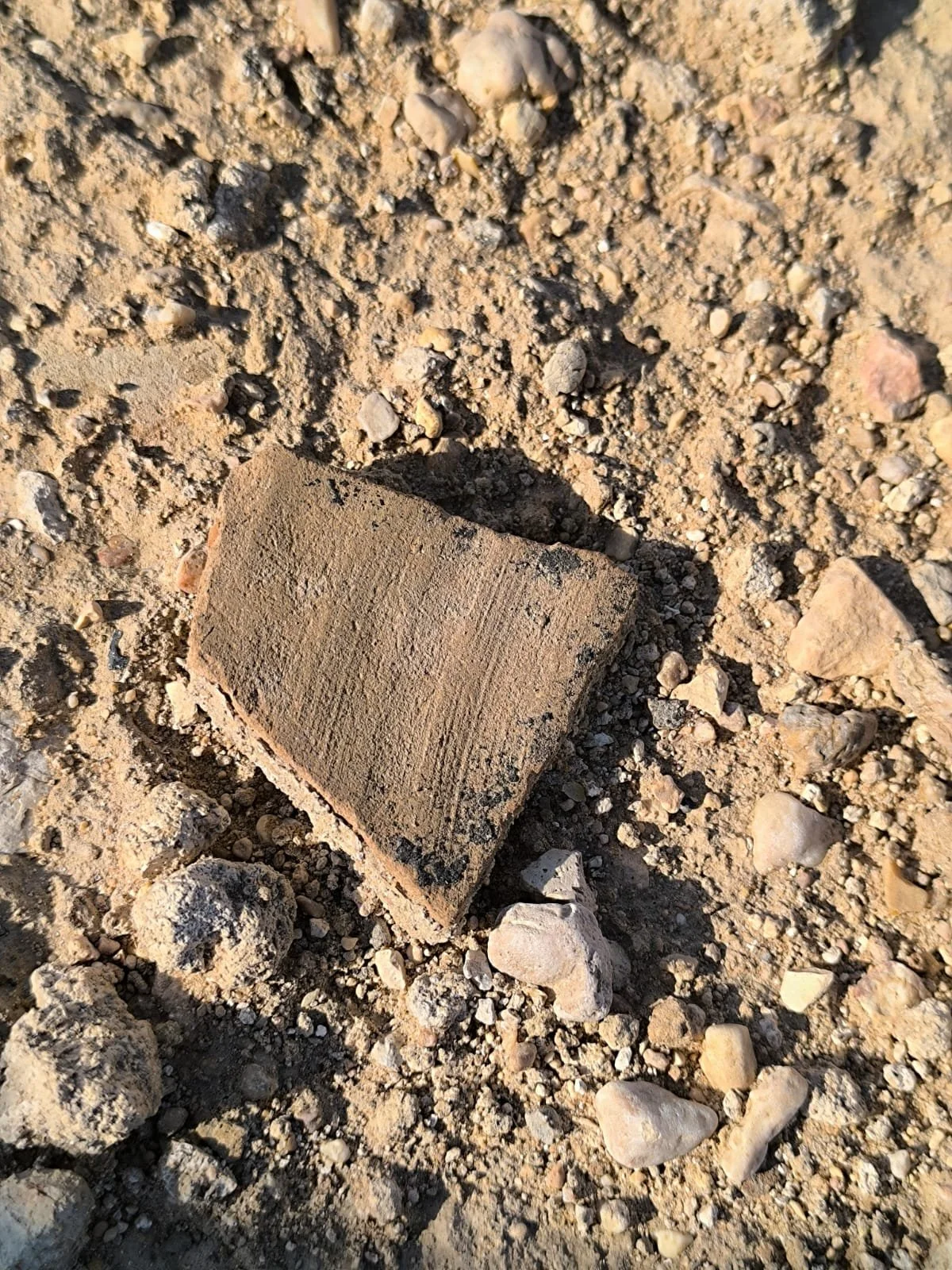
Data Cleaning
All data are passed through a cleaning pipeline that removes duplicate objects and normalises data properties.
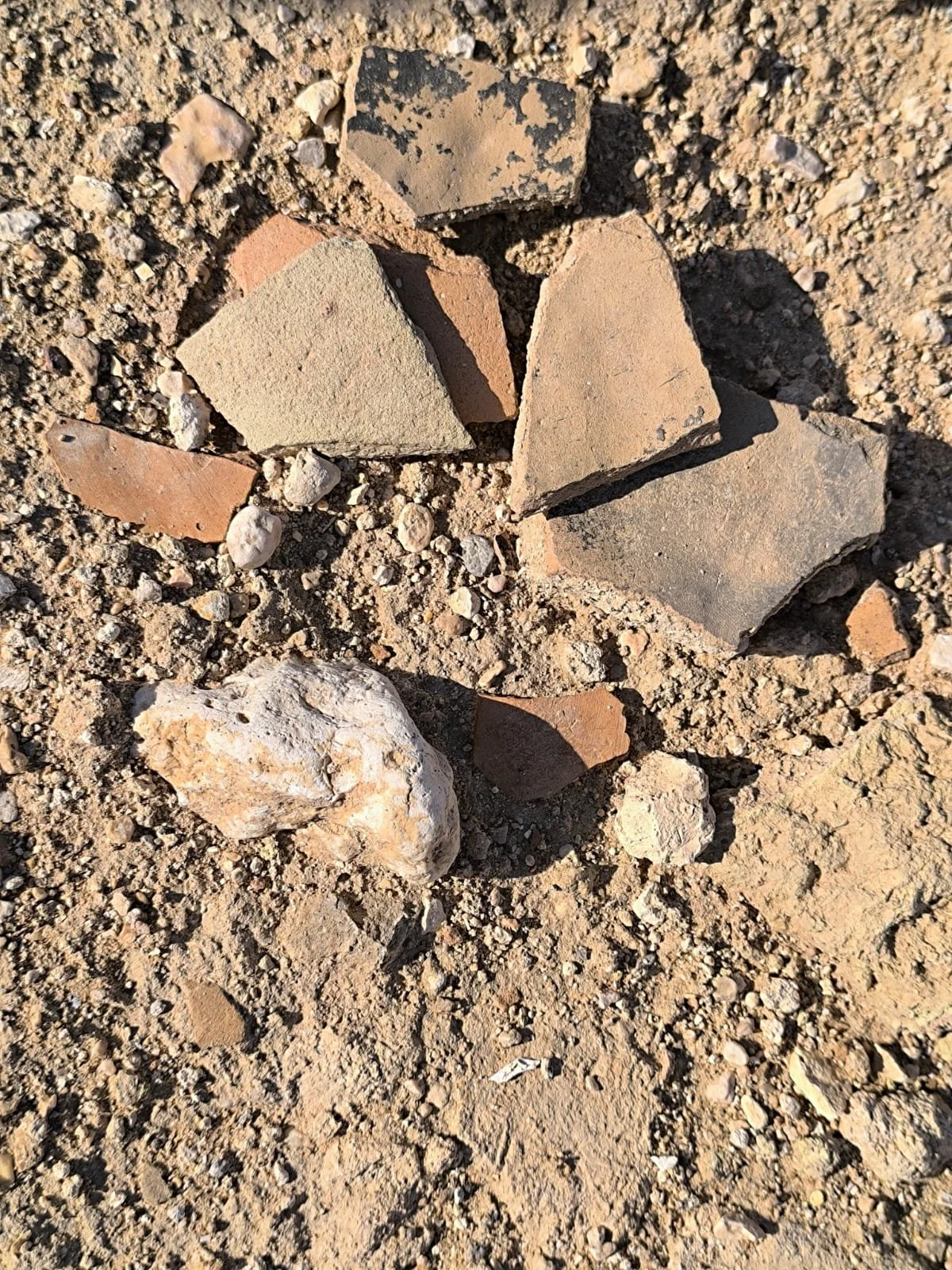
Classification and Risk Assessment
Each post is classified by object type, origin, and other relevant attributes. A set of indicators then assesses its risk profile, flagging the seller’s account accordingly.
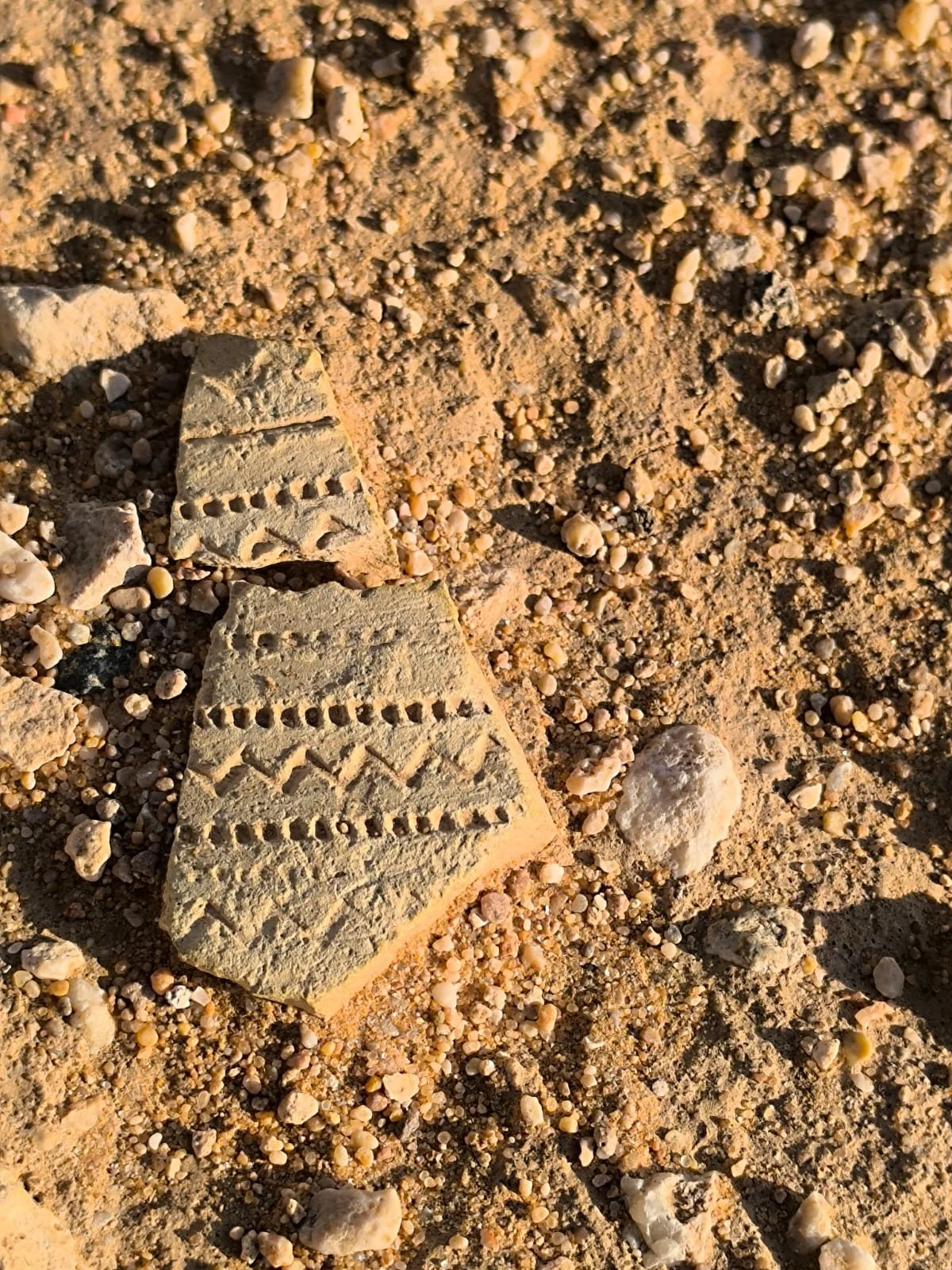
Reporting
Insights are compiled into clear, structured reports for heritage authorities, designed to support the fight against the illicit trade.
Results and Outputs
The NABU Project: Mission and Methods
We seek to partner directly with law enforcement agencies in countries where cultural heritage policing is chronically under-resourced. The project provides structured datasets, risk assessments, and analytical reports directly to heritage actors at no cost and with no obligation to upgrade hardware, license software, or train on new methods, giving them access to evidence they may otherwise be unable to collect.
This approach ensures that insights generated by the project feed immediately into frontline enforcement efforts, strengthening local capacities rather than replacing or bypassing them.
This video offers an overview of the project, with examples of the heritage we’re working to protect and document.
Publications
Quarterly reports present the main findings of the research, including analysis of online listings, market dynamics, and patterns in the circulation of cultural goods. They provide an evidence-based overview of the methodology and key results in both English and Arabic. Access the first report (Q1 2026) through the links below.
Code & Data
The project’s code and structured datasets are made available to support transparency and reproducibility of the analysis. The repository includes the tools used for data collection, post-processing, and analysis, as well as a restricted version of the research dataset (with identifying information either removed, pseudonimised, or partially redacted).