
Could 2026 Be a Turning Point in the Art Restitution Debate?
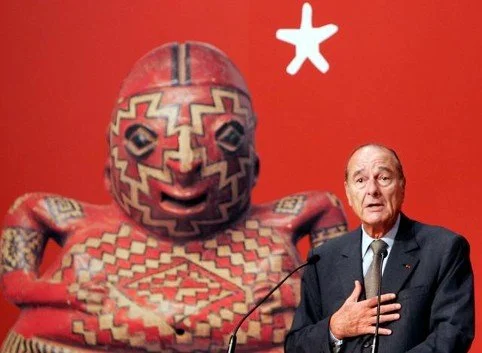
Twenty years ago, when French President Jacques Chirac inaugurated the Musée du Quai Branly, a museum dedicated to the arts and civilizations of Africa, Asia, Oceania, and the Americas, the main concerns were primarily cultural: could these objects be recognised as belonging to the universal art world rather than merely as ethnographic artefacts? Undoubtedly, over the last twenty years, the museum has significantly contributed to reshaping Western perceptions and recognising the artistic value of these collections, despite continuing to attract criticism and controversy. However, two decades later, the terms of the debate have changed profoundly. The artistic status of these objects is no longer contested; instead, attention has shifted to their provenance. How did they enter European collections? Under what circumstances of colonial domination, war, or dispossession were they acquired? And who, today, has the moral and political legitimacy to possess and display them? (Huffpost 2026).
In Minor Keys, In Major Chaos: How Global Tensions Overtook the Venice Biennale
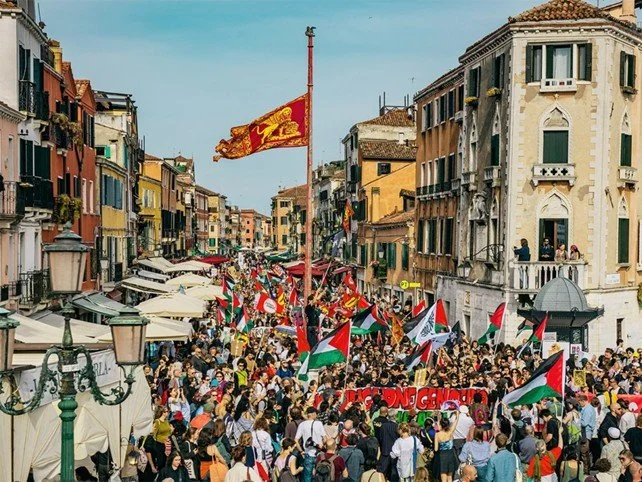
Venice went down in history as La Serenissima, “the most serene”, a title symbolizing the stability, institutional balance, and internal peace secured by its government for centuries. The atmosphere surrounding the city in recent weeks, however, could hardly feel more chaotic and confused.
The Pope in the Eastern Mediterranean: A Journey between Faith, Culture, and Diplomacy
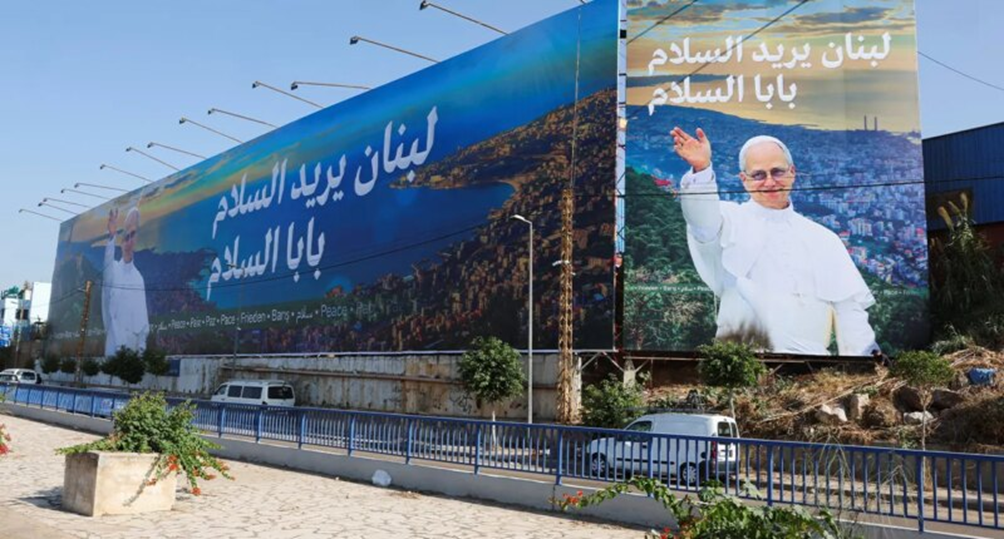
The Eastern Mediterranean provided the setting for Pope Leo XIV’s first steps on the global stage. By traveling to Türkiye and Lebanon, lands marked by ancient Christian memory and complex religious histories, and marked today by geopolitical strain, the head of the Catholic Church articulated a vision of dialogue amid fragmentation and uncertainty.
In Times of Uncertainty, Iran Looks Back: Rediscovering Ancient Persia to Navigate Modern Crises
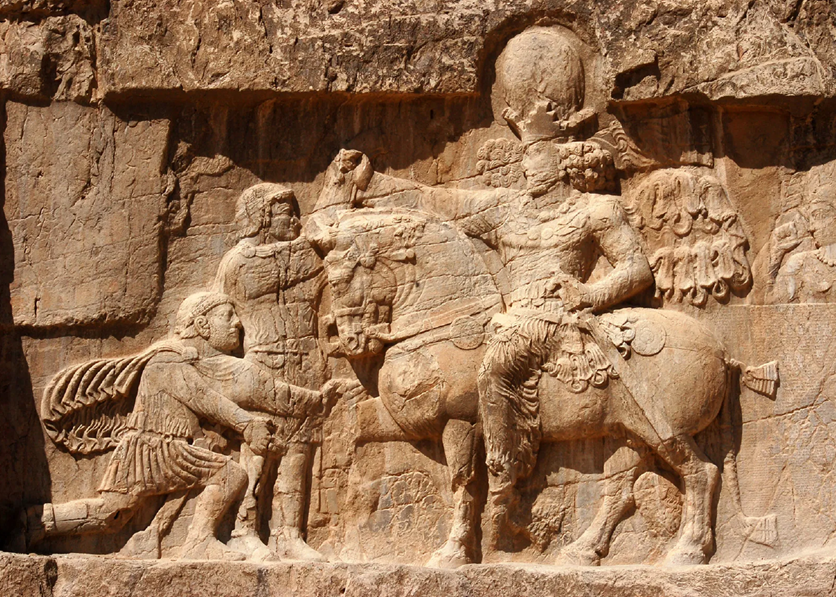
On the evening of November 7, 2025, a crowd gathered in central Tehran to witness the unveiling of a new statue: Shapur I, depicted in the act of defeating the Roman Emperor Valerian. The scene was visually striking, but its significance ran deeper. Iran has long maintained an uneasy relationship with its pre-Islamic past, oscillating between pride and ideological caution. Yet recently, and especially after the so-called “Twelve Day War” with Israel, ancient Persia has returned to the forefront of public discourse with renewed prominence.

The Olive Tree: Myth, Heritage, and a Living Symbol
Every year on 26 November, UNESCO marks World Olive Tree Day, a relatively new observance (proclaimed in 2019) that reflects a very old reality: the olive tree has been woven into human history for millennia (UNESCO, 2019). As food, fuel, medicine, and timber, Olea europaea has shaped Mediterranean economies and landscapes; as symbol and metaphor, it has carried meanings of wisdom, peace, and endurance from antiquity to the present.
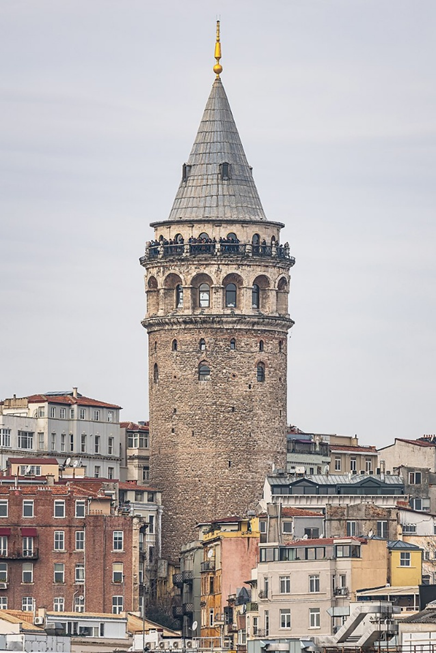
Cosmopolitan Mosaics: Italian Heritage in the Heart of Istanbul
Walking along Istiklal Caddesi, the great pedestrian artery of Beyoğlu, you might be surprised to come upon a neo-Gothic church that seems more at home in Venice or Milan than in the heart of Istanbul. It is Saint Anthony of Padua, the city’s largest Catholic church, built in 1912 by Italians. This is not an isolated anomaly: Istanbul in fact preserves a little-known yet significant cultural heritage tied to the Italian presence. From the Dominican churches of Galata to the Genoese palaces, from Levantine schools to the painters who depicted the Bosphorus, the traces of this long history are still present and speak to the role Italians played in shaping the city’s cosmopolitan character.
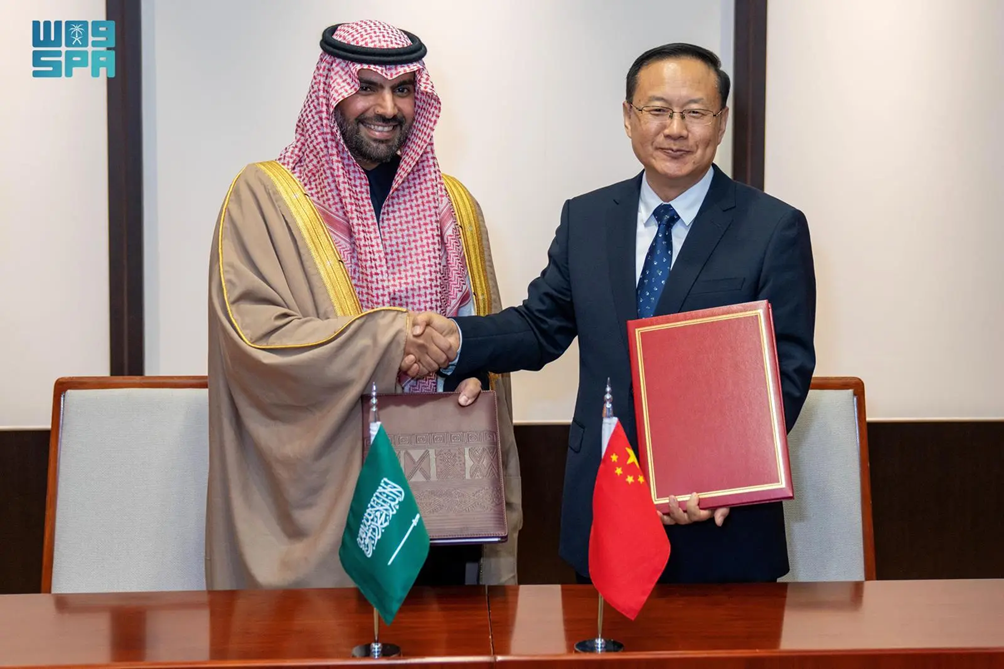
Beyond Oil and Trade: The Saudi-Chinese Cultural Year 2025
Thirty-five years after establishing diplomatic ties, Saudi Arabia and China are opening a new chapter with the Saudi-Chinese Cultural Year 2025. Announced in March by the Saudi Ministry of Culture, the year-long program highlights culture as a bridge between two civilizations with ancient roots and global ambition. This approach reflects the soft-power policies that both nations have embraced, using culture, art, and education to reinforce political and economic ties as a part of larger strategies: for Saudi Arabia, this aligns with Vision 2030; for China, it resonates with the Belt and Road Initiative.