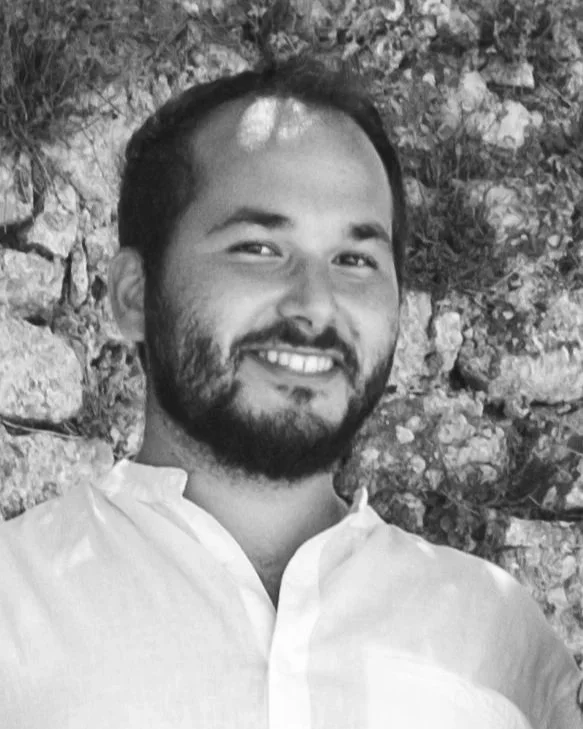
Abdulrhman Nusair
Associate Researcher



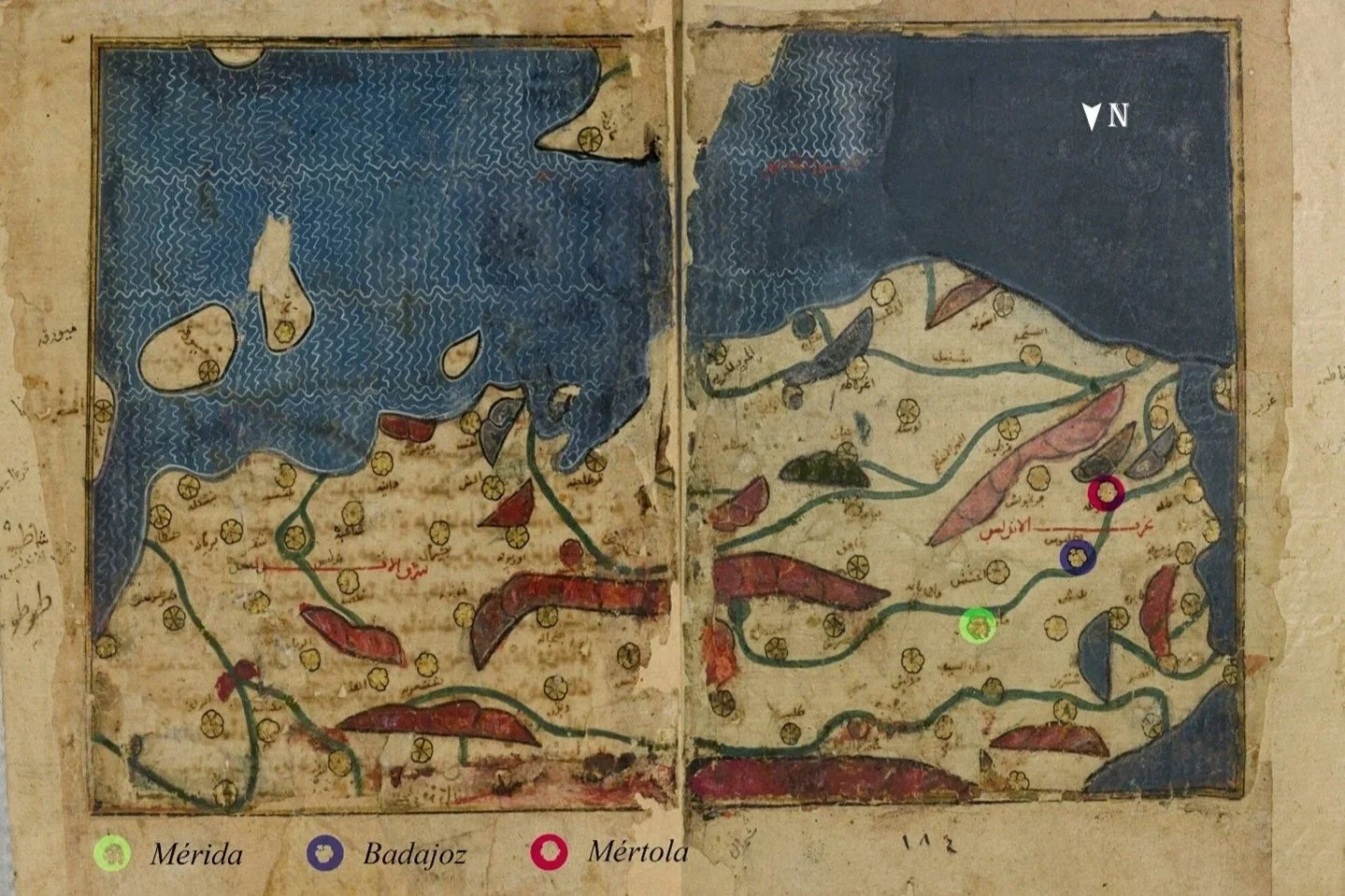
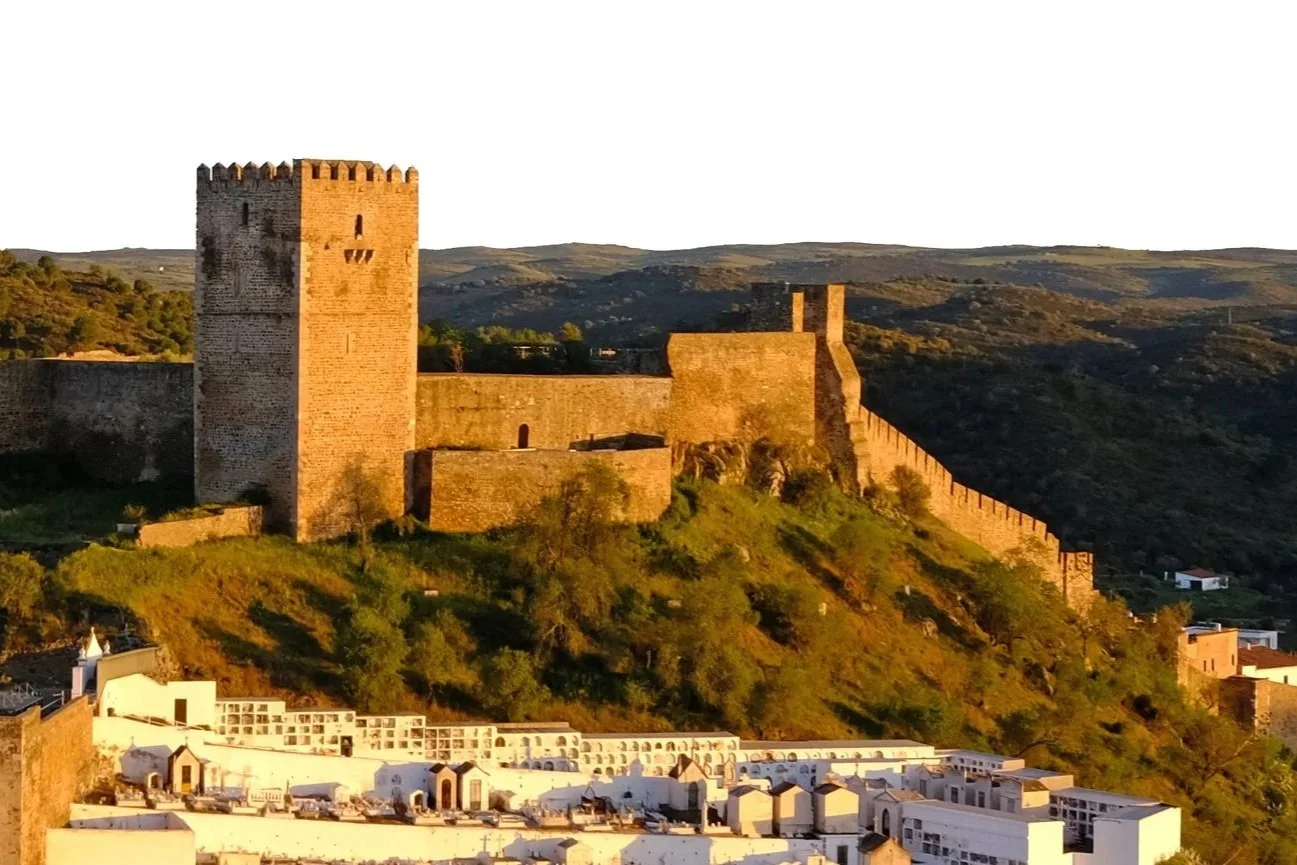
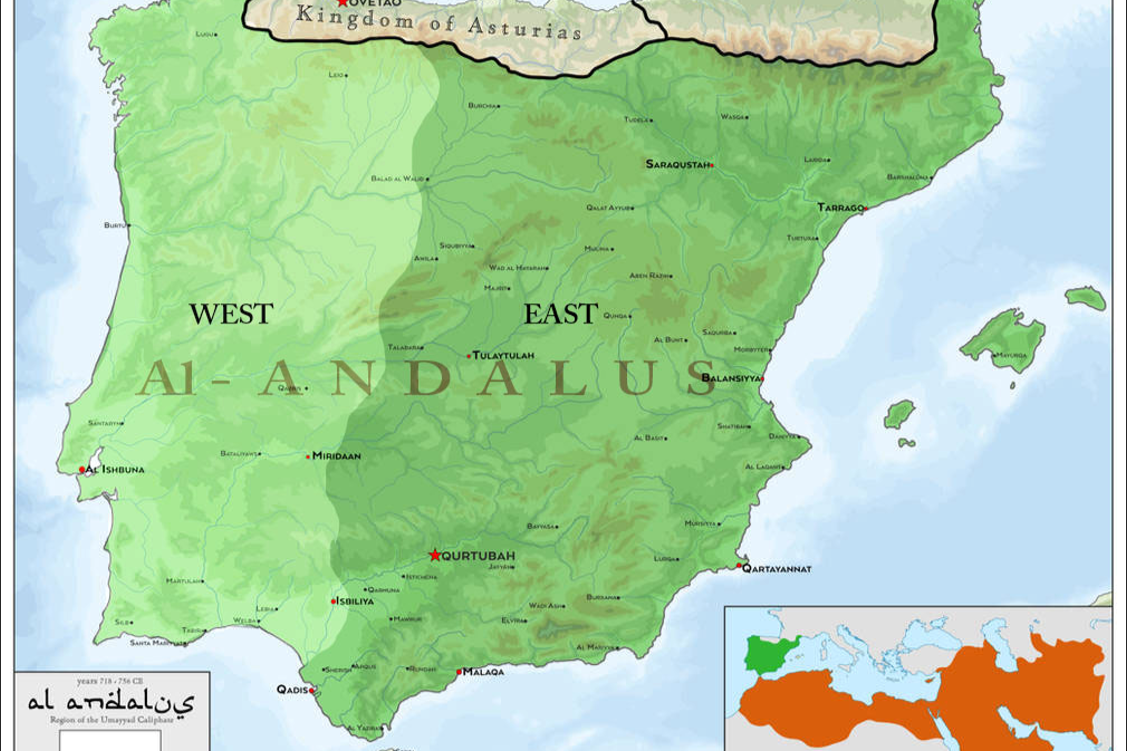
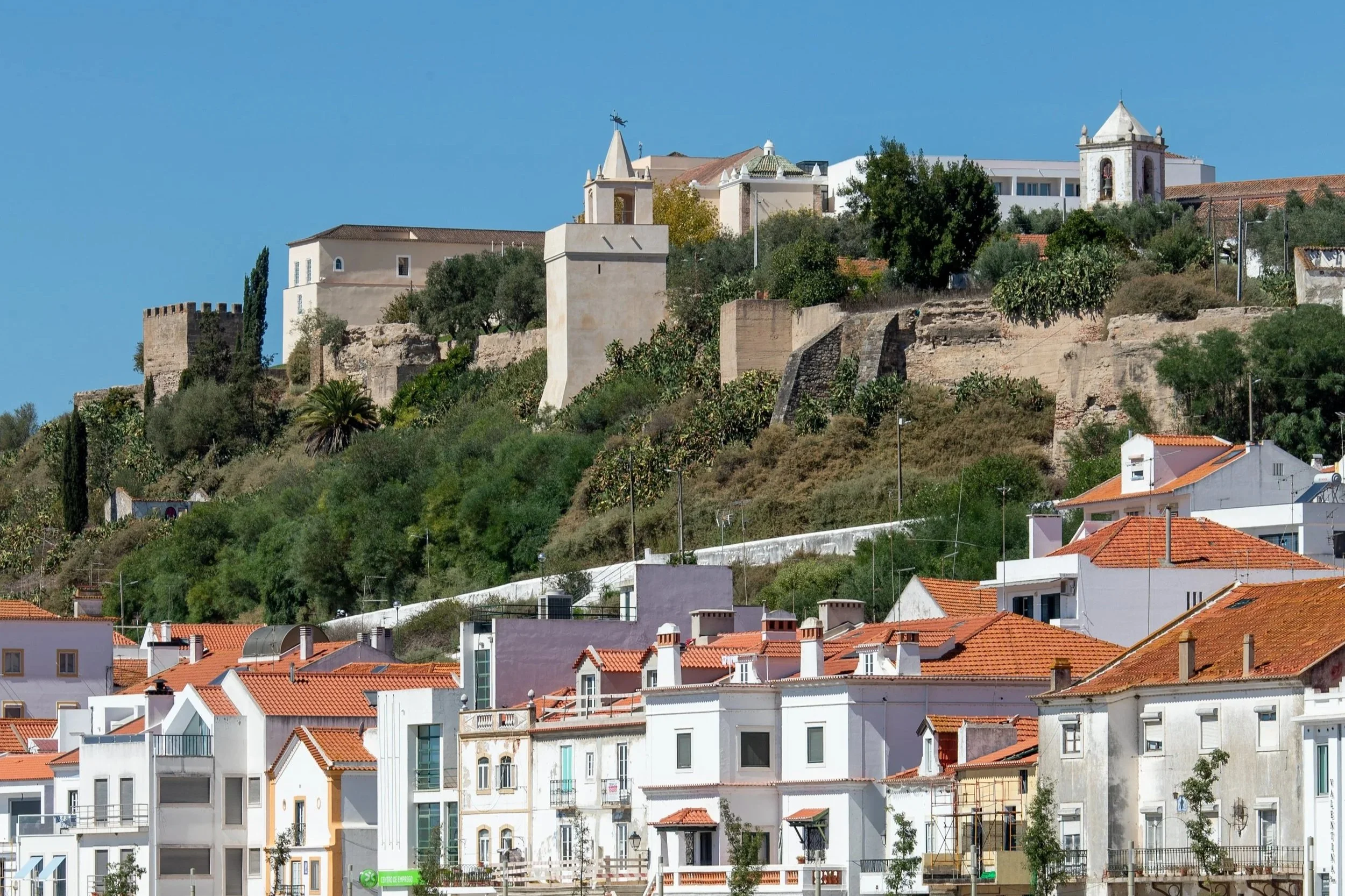
Abdulrhman Nusair is a PhD researcher in Heritage Studies at the University of Algarve, where his doctoral project explores the cultural landscapes and built heritage of Gharb al-Andalus. His research employs a research by design methodology that bridges historical inquiry, architectural documentation, and design innovation to critically engage with Islamic fortifications and their role in shaping heritage values.
He holds a joint Master’s degree in Architecture, Landscape, and Archaeology from the University of Rome, Sapienza, and a Bachelor’s degree in Architectural Engineering and Environmental Design. Trained at the intersection of architecture and archaeology, Nusair specializes in the conservation of built heritage, urban sustainability, and the adaptive reuse of cultural assets as catalysts for sustainable development.
Abdulrhman has participated in a wide range of archaeological and architectural projects across Egypt, India, Italy, France, and Portugal, contributing to both field research and digital documentation. He is a member of the Centre Franco-Égyptien d’Étude des Temples de Karnak (USR 3172 CNRS) and ICOMOS (International Council on Monuments and Sites), actively collaborating with leading institutions in heritage research and preservation. He participated in fieldwork includes major archaeological sites such as the Palatine Hill in Rome with the University of Rome Sapienza, Iron Age settlements at Le Cailar in France with the University of Montpellier, and extensive temple complexes in Luxor, notably the Karnak Temple and the Temple of Amenhotep III.
In Luxor, he applied advanced digital conservation techniques including photogrammetry, orthophotographic documentation, and architectural stratigraphic interpretation to record and analyze monumental remains. His contributions to the Middle Kingdom Courtyard excavations at Karnak (2020–2021) were published in the official excavation report (HAL-SHS: hal04698030), where he co-authored documentation of architectural remains and excavation stratigraphy.
Nusair’s expertise extends to vernacular and earthen architecture, having collaborated with the Auroville Earth Institute in India on initiatives that promote sustainable building practices rooted in traditional knowledge.
Beyond excavation and conservation, Abdulrhman advocates for inclusive and adaptive reuse strategies that treat heritage as a living resource for identity, resilience, and community well being. Through this multidisciplinary expertise, Abdulrhman Nusair continues to bridge architecture and archaeology, ensuring that heritage is not only safeguarded as a record of the past but also mobilized as a vital resource for the future.
Research and Publications