

Ezio Sorti
Associate Researcher

Ezio Sorti is a junior researcher at the University of Milan, where he earned a Master’s Degree in International Relations. An academic path enriched by international study exchanges at Trinity College Dublin and Charles University in Prague deepened his passion for cultural diplomacy and the Middle East. Hands-on experiences at the Institute for Cultural Diplomacy in Berlin and the Istanbul Policy Center further reinforced a strong interest in the evolving relationship between the European Union and the MENA region, an interest guided by a strong belief in intercultural dialogue and a deep engagement with the region’s complex social and political dynamics.
Research and Publications
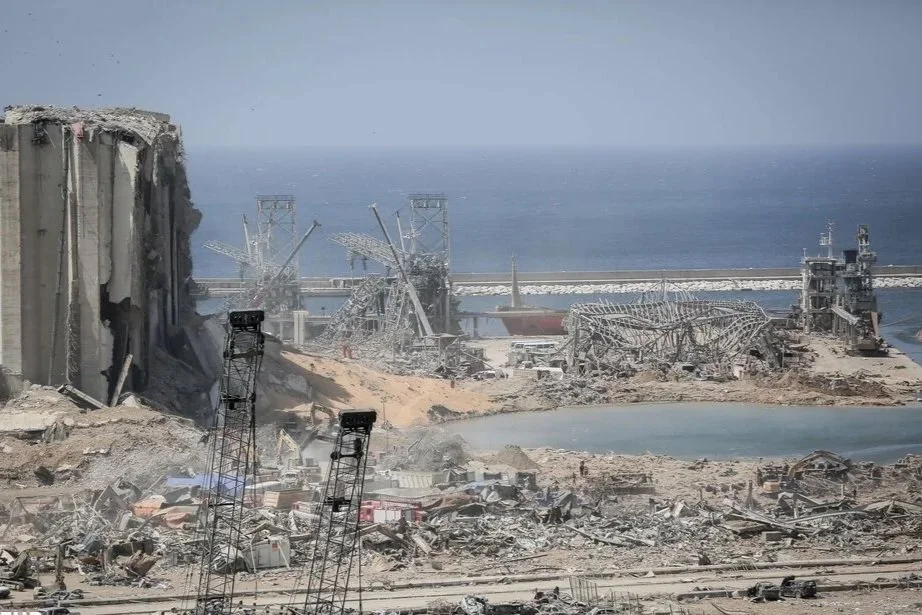
Rebuilding Beirut’s Cultural Heritage:
The Potentials and Pitfalls of International Support

In Times of Uncertainty, Iran Looks Back:
Rediscovering Ancient Persia to Navigate Modern Crises
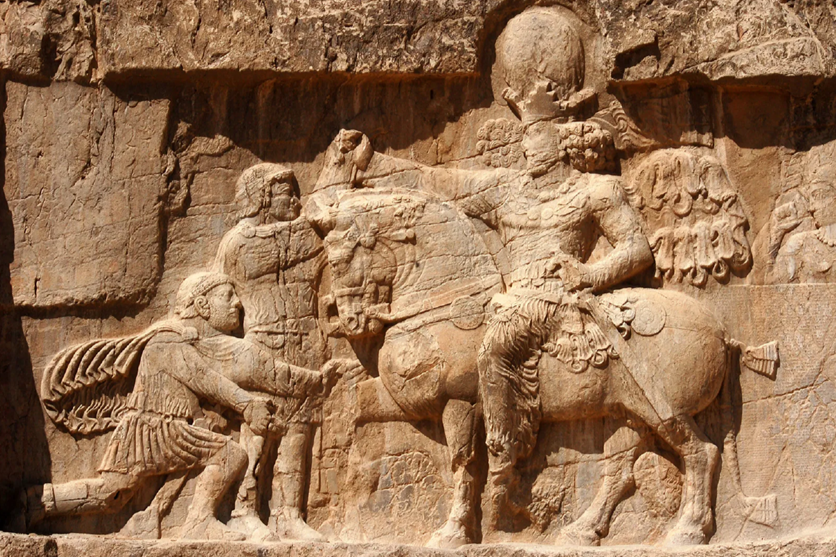
On the evening of November 7, 2025, a crowd gathered in central Tehran to witness the unveiling of a new statue: Shapur I, depicted in the act of defeating the Roman Emperor Valerian. The scene was visually striking, but its significance ran deeper.
Five years after the devastating explosion in 2020, Beirut is still dealing with the deep scars left on its cultural heritage. The UNESCO initiative called “LiBeirut” has been instrumental in helping to restore buildings and provide educational support. However, there's an important issue at play: while help from international organizations is crucial, it can sometimes overshadow the efforts and needs of local groups and communities. To truly heal and rebuild, it’s vital to have a collaborative approach that combines global support with the skills and involvement of local people.
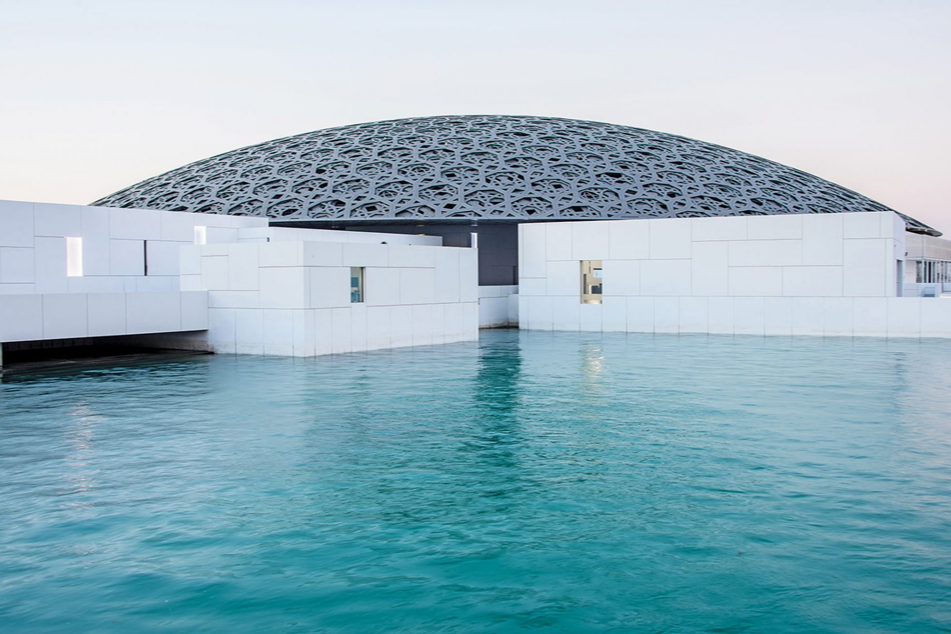
The Increasing Role of Cultural Diplomacy in EU-Gulf Relations
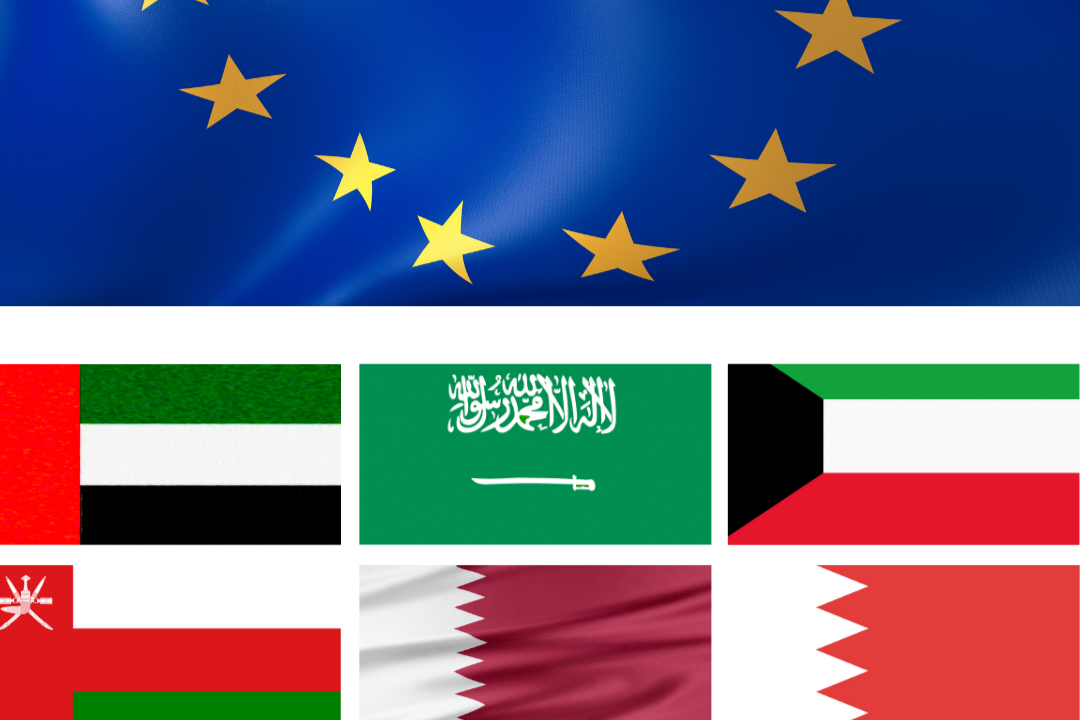
Increasingly central to the foreign policy agendas of the EU and the GCC, cultural diplomacy has fostered a rapprochement between the two regions through academic, artistic and intercultural exchanges. In recent decades, joint initiatives in education, cultural heritage, and the arts have strengthened dialogue and cooperation. However, despite these advancements, the full potential of cultural diplomacy remains partially untapped. This white paper presents and discusses the ample opportunities that exist for a more structured and strategic integration of cultural diplomacy to enhance bilateral relations and regional security.

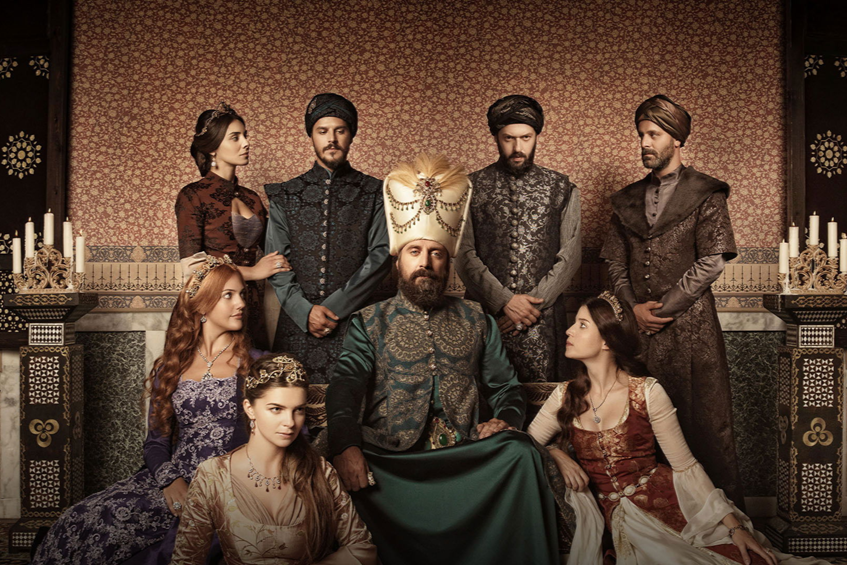
Cosmopolitan Mosaics:
Italian Heritage in the Heart of Istanbul
Walking along Istiklal Caddesi, the great pedestrian artery of Beyoğlu, you might be surprised to come upon a neo-Gothic church that seems more at home in Venice or Milan than in the heart of Istanbul. It is Saint Anthony of Padua, the city’s largest Catholic church, built in 1912 by Italians.

Beyond Oil and Trade:
The Saudi-Chinese Cultural Year 2025
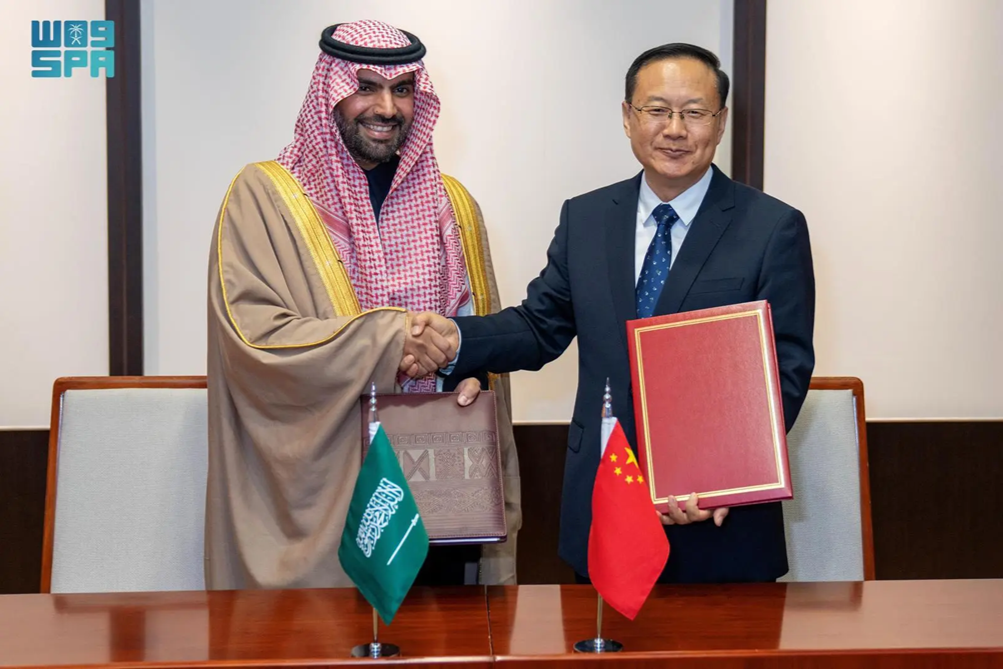
Thirty-five years after establishing diplomatic ties, Saudi Arabia and China are opening a new chapter with the Saudi-Chinese Cultural Year 2025. Announced in March by the Saudi Ministry of Culture, the year-long program highlights culture as a bridge between two civilizations with ancient roots and global ambition.