
Could 2026 Be a Turning Point in the Art Restitution Debate?
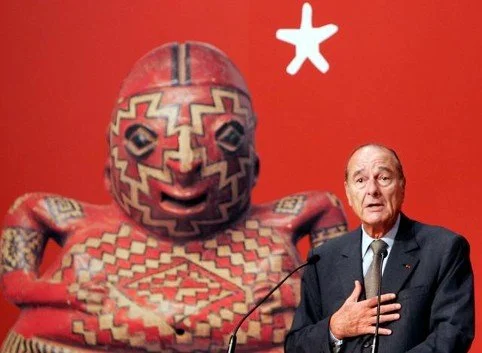
Twenty years ago, when French President Jacques Chirac inaugurated the Musée du Quai Branly, a museum dedicated to the arts and civilizations of Africa, Asia, Oceania, and the Americas, the main concerns were primarily cultural: could these objects be recognised as belonging to the universal art world rather than merely as ethnographic artefacts? Undoubtedly, over the last twenty years, the museum has significantly contributed to reshaping Western perceptions and recognising the artistic value of these collections, despite continuing to attract criticism and controversy. However, two decades later, the terms of the debate have changed profoundly. The artistic status of these objects is no longer contested; instead, attention has shifted to their provenance. How did they enter European collections? Under what circumstances of colonial domination, war, or dispossession were they acquired? And who, today, has the moral and political legitimacy to possess and display them? (Huffpost 2026).